
The PDA Newsletter | The First 5 Seconds
How Elite Players Start Every Shift With Impact
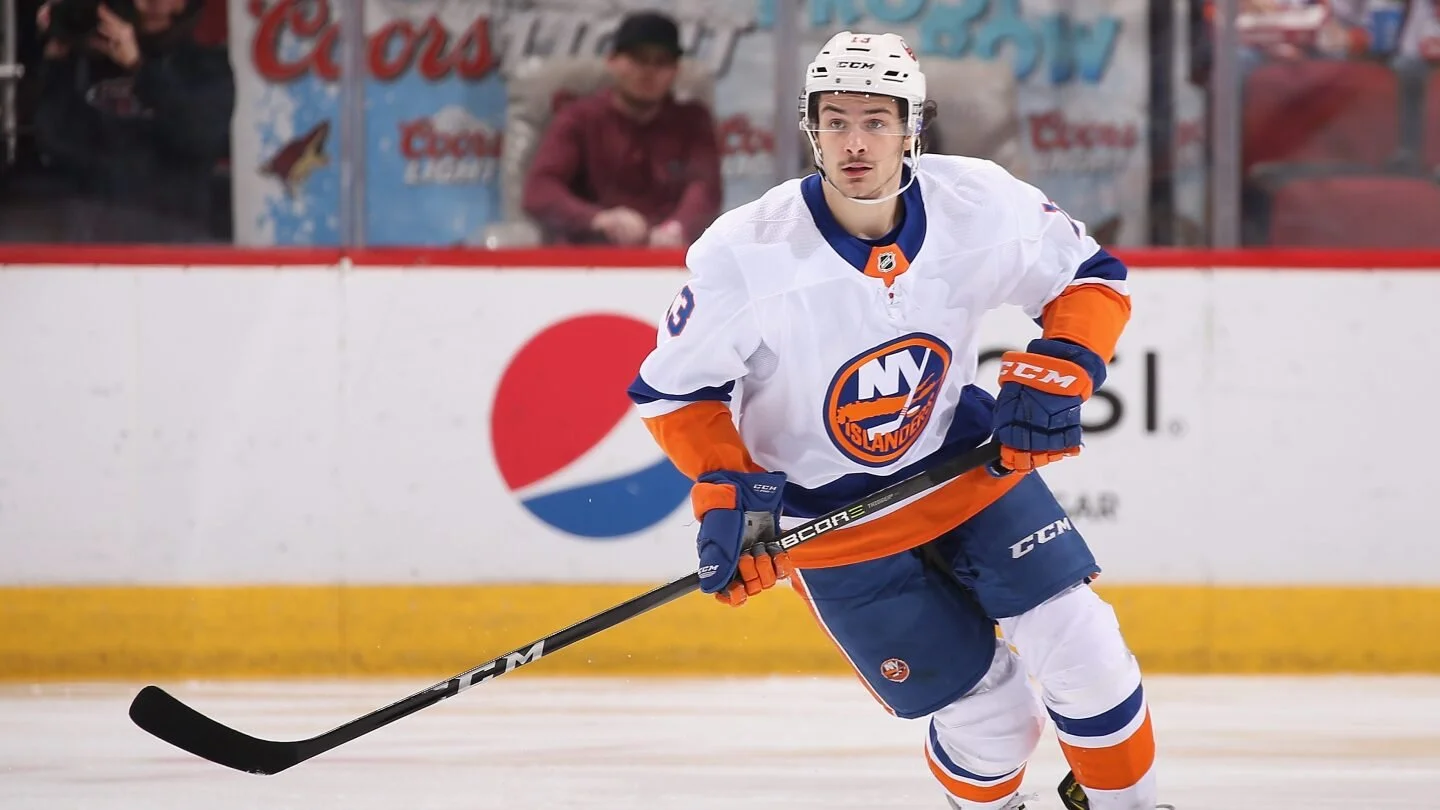
What if your impact was decided before your skates even touch the ice?…
You hop the boards mid-play.
The puck’s already moving.
For most players, this is when the brain catches up to the moment.
For elite players, it’s the opposite…
They’re already there…
Reading, Scanning, Anticipating.
Because while others react to the game, they’re already inside it.
Let’s dive in…
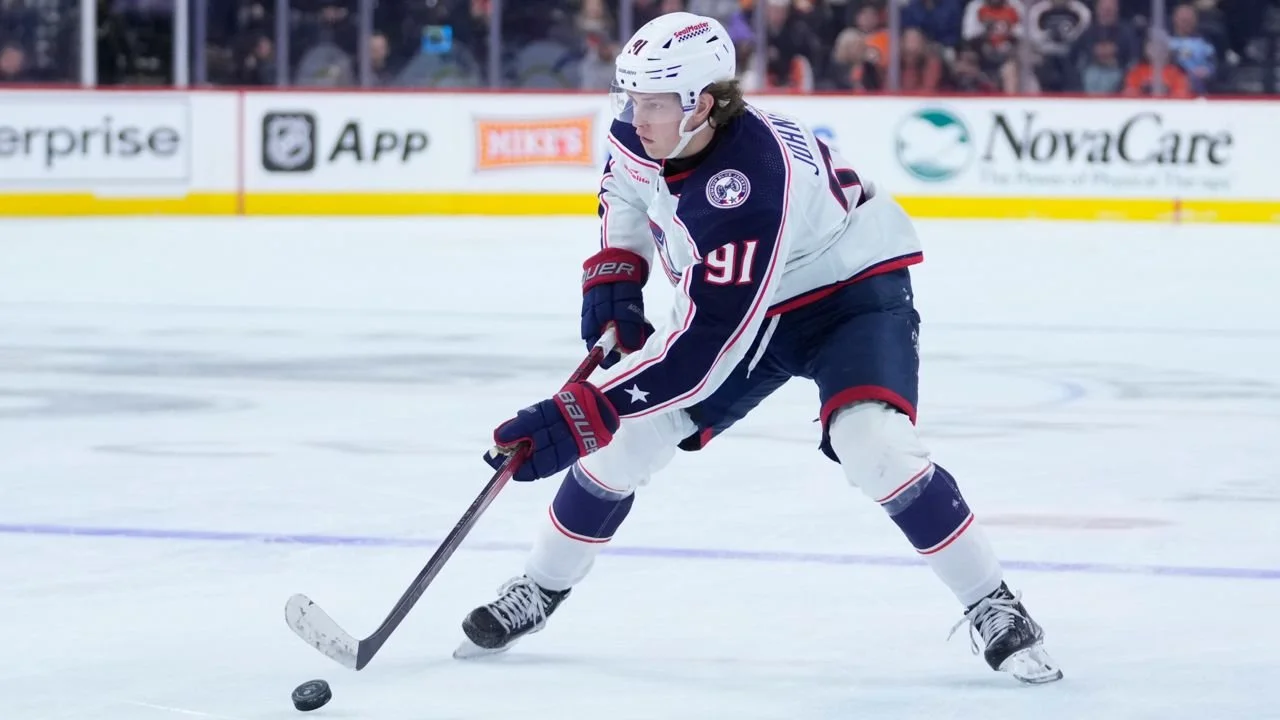
Why the First 5 Seconds Matter
There are stoppages in hockey — faceoffs, whistles, floods.
But what makes the sport different from almost any other is that it never fully stops.
Line changes happen on the fly.
You enter the game while it’s already at full speed — coverage shifting, pace building, momentum swinging.
For five seconds, your brain is calibrating, your legs are catching up — and most players waste it.
They:
Coast into position
React to the play
Take a few strides to “get into it”
Elite players?
Before their skates hit the ice, they’re already scanning. Already reading. Already dictating.
Those first moments shape everything that follows:
Positioning
Possession
Pressure
Tempo
Lose them, and the rest of your shift becomes a recovery effort.
Backed by Science:
Decision-making research shows that athletes who scan early and process spatial cues before movement react faster and perform more effectively under pressure.
Those pre-movement reads sharpen anticipation and reduce hesitation — the foundation of consistent high-level play (Vickers, 2007).
The Habits of Players Who Think Ahead
Let’s break down how elite players stay one step ahead — the mental routines that separate anticipation from reaction.
1. Immediate Situational Awareness
Before they jump the boards, elite players already know:
Where the puck is
What the pace feels like
Who they’re replacing
They’re not entering the game blind.
They’re entering with a mental map already drawn.
It’s not “see what happens.”
It’s “see before it happens.”
2. Mental Trigger - Instant Readiness
Every elite player has a personal switch — a single cue that locks them in.
It’s a fast, focused thought that replaces hesitation with intent:
“Be first.”
“Win the puck.”
“Get to speed now.”
They don’t wait for rhythm to arrive.
They create it through their own clarity.
Backed by Science:
Cognitive priming — repeating a simple cue before action — accelerates motor readiness and narrows focus.
That one phrase quiets noise and sharpens reaction (Gray et al., 2013).
3. Defensive Awareness on Entry
Elite players don’t need a full rotation to get set.
Their reads begin the instant they’re on the ice.
They shoulder check, fill the middle, and close space before the puck even settles.
Their awareness is proactive, not reactive — they’re solving problems before they exist.
4. Pressure That Changes Possession
Loose puck? Neutral zone turnover?
The best players don’t need time to ramp up — they’re already at game speed.
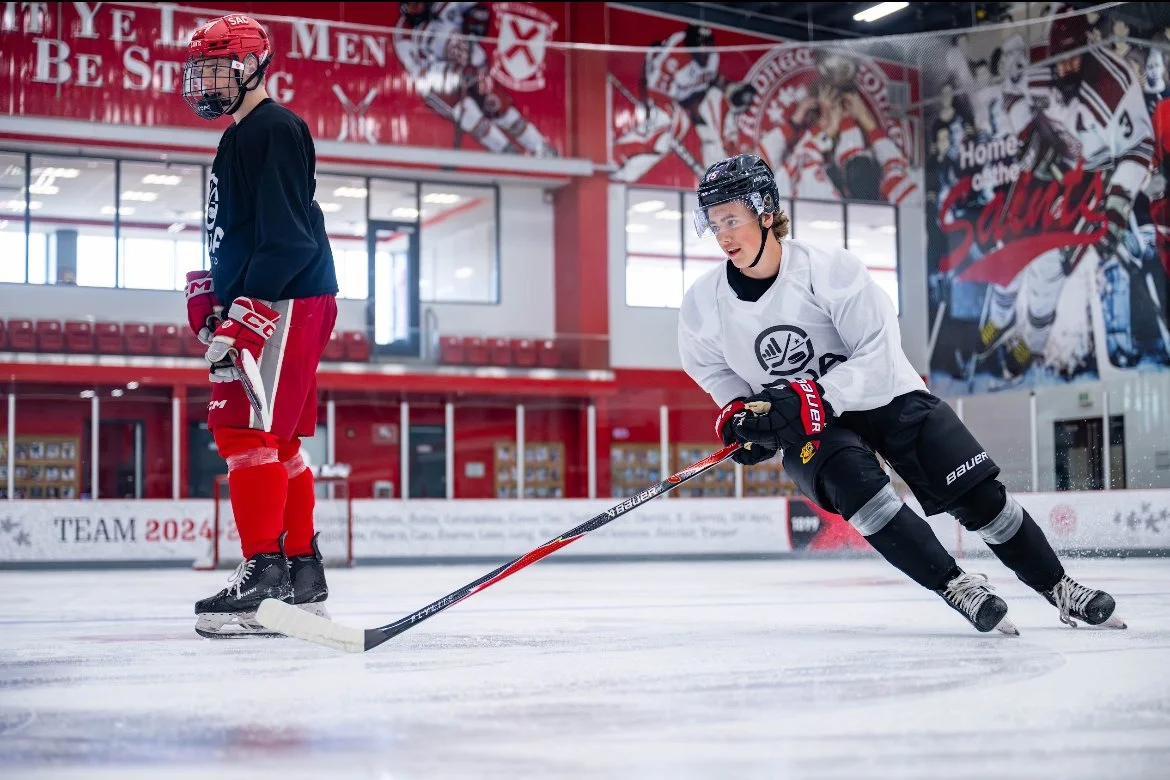
They explode for three or four strides, stick extended, eyes up.
They close lanes, dictate tempo, and turn broken plays into momentum.
They don’t follow the play.
They lead it, intentionally.
5. Connection and Command
Within seconds, elite players connect…
A call.
A glance.
A point or tap on a teammates shoulder.
They use every sense — voice, vision, presence — to stabilize their team instantly.
The message is clear:
“I’m here. I’m engaged. Let’s go.”
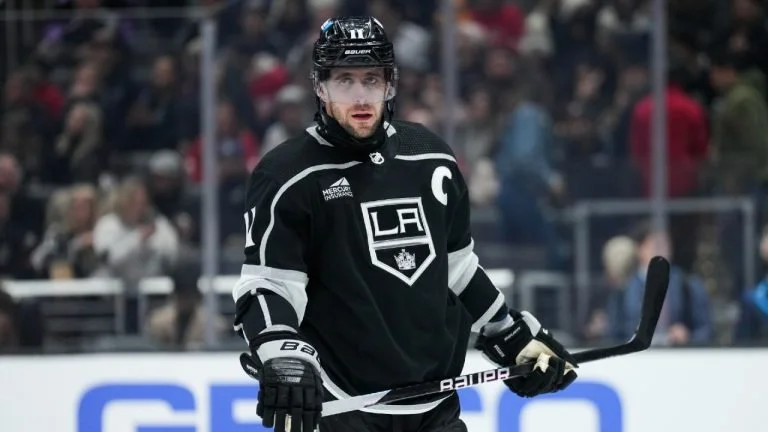
Pro Example: Anze Kopitar — Control Before Contact
Anze Kopitar doesn’t enter a shift to catch up to the play…
He enters to take control.
Watch him…
Before his skates hit the ice, he’s intensely scanning.
A quick glance over each shoulder.
One stride. One word. Mentally checked into the play before he even get’s on the ice.
“Kopi doesn’t need the puck to control the game.
He controls it with his feet, his stick, his voice.” — Don Nachbaur
That’s the definition of being a step ahead.
He’s not reacting to what is happening.
He’s positioning for what will happen.
How to Train the First 5 Seconds
In Practice:
Add pressure to line-change drills.
Simulate live-change scenarios.
Build 5-second reaction bursts.
In Video:
Pause at the 5-second mark.
Ask:
Did I scan before I joined the play?
Was I reacting or reading ahead?
Did I dictate tempo or follow it?
In Games:
Before every shift, mentally reset:
Where’s the puck?
Who am I replacing?
What happens next?
Remember:
You’re not just entering the play…
You’re stepping into a moment that hasn’t happened yet, and shaping what it becomes.
Replacing The Blockers
Hockey rewards those who live inside the moment… not behind it.
The game can often move faster than thought, and the players who shape it are the ones who think ahead of it.
They don’t ease into shifts.
They seize them.
Impact isn’t about ice time or touches.
It’s about what you do in the space between readiness and reaction.
Because the best players know:
You don’t always make your mark once you have the puck…
You make it before your skates even touch the ice.
Talon Mills
