
The PDA Newsletter | From Chauffeur to Mentor
The Power of Letting Go

What if what your kid needs at fifteen is the opposite of what helped them when they were five?
You used to tie their skates…
Remember?
They’d sit on the bench, foot outstretched, giggling with teammates, too small to loop the laces tight themselves.
You’d kneel, wrap the lace twice around your fingers, pull it firm.
Double knot.
Pat on the shin pad.
Ready to go.
They looked at you like you were the coach, the equipment manager, the driver, the personal chef.
Because you were…
You got them there early.
Packed the snacks, their favourite gatorade.
Cheered behind the glass.
You were in every frame of their hockey story.
But something shifts… slowly, quietly.
One day, they hop out of the car without a word.
They’re already in game mode, headphones on, door closing behind them.
And you’re left wondering: What’s my role supposed to be?
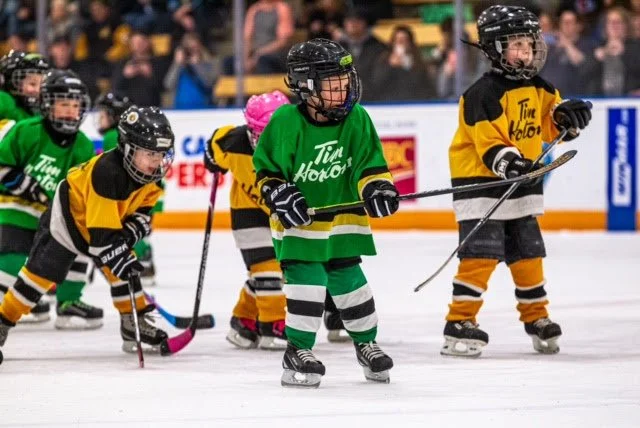
The Identity Shift for Parents
Youth hockey begins with proximity…
You’re involved in everything — managing equipment, planning carpools, consoling after losses, celebrating every goal as if it were your own.
But around thirteen or fourteen, sometimes earlier, that role starts to evolve.
What your child needed in the early years was closeness.
What they need now is space.
It’s jarring, not because they’ve changed, but because they must…
The level rises. The competition sharpens.
The player inside your kid begins to emerge; full of pride, pressure, and independence.
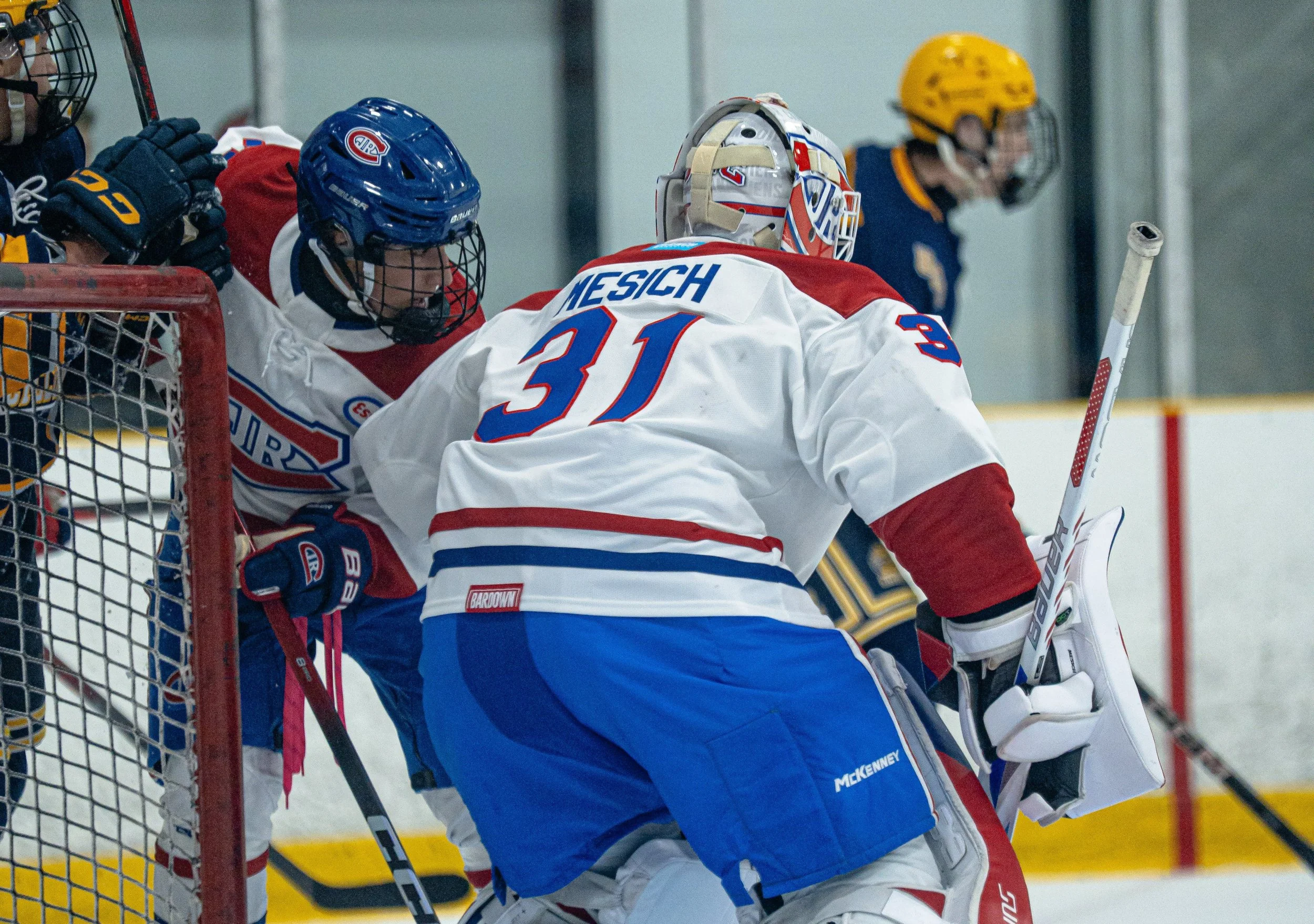
From Chauffeur to Mentor
In the early years, you were their chauffeur — logistical, constant, dependable.
Now, that’s no longer enough…
What they need isn’t a ride; it’s perspective.
The mentor parent learns to observe more and solve less.
They listen instead of instruct.
They support without steering.
They let growth happen, even when it’s uncomfortable.
Research in adolescent psychology backs this shift.
According to Deci and Ryan’s Self-Determination Theory, young people thrive when three needs align: autonomy, competence, and connection.
When parents stay in control too long, they unintentionally block the autonomy that fuels confidence.
The less you direct, the more they learn to lead.
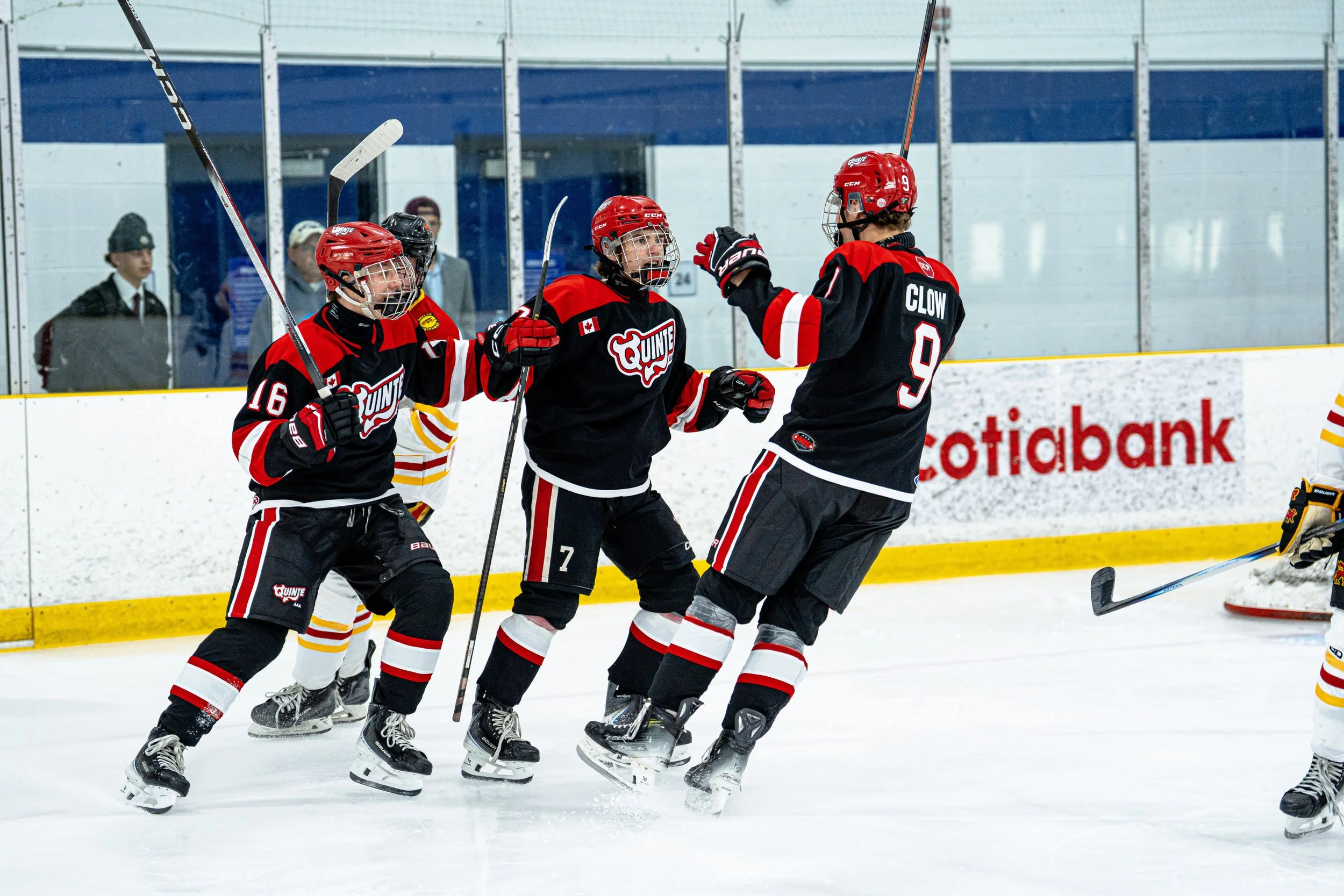
When the Shift Gets Tested
You’ll feel it most when they struggle; the quiet car rides after tough games, the frustration about ice time, teammates, or coaches.
Every instinct in you will want to step in…
But mentors don’t fix, they equip.
Instead of defending them, ask: “What do you think is behind that decision?”
Instead of offering solutions, ask: “How do you want to handle it?”
Those small shifts turn emotion into ownership…
They build emotional intelligence and resilience — skills no pep talk can teach.
And while it might feel like doing less, it’s actually the most powerful kind of support you can offer.

If You Don’t Adapt
When parents stay in chauffeur mode, players struggle to take ownership.
They rely on you for interpretation and direction long past the point they should.
Eventually, that dependence slows growth, and breeds tension.
Kids crave autonomy.
When they don’t get it, they pull away in ways that look like disinterest but are really self-preservation tactics.
They stop sharing. They shut down after games. They push away support, not because they don’t care, but because they’re trying to define who they are without someone always holding the map.
The Quiet Strength of Letting Go
You won’t get thanked for this shift, not yet at least…
It may even feel like your impact is fading.
But behind that silence, something powerful is forming…
They’re learning to manage adversity.
They’re building identity outside of you.
They’re finding the inner drive that no parent can provide.
And all of that happens only when you step back enough for them to take the next step forward.
Concluding Thoughts
So, let’s return to the question:
What if what your child needs at fifteen is the opposite of what helped them when they were five?
They no longer need you to carry them.
They need you to believe in them while they walk their own path.
Being the chauffeur was about direction…
Being the mentor is about faith.
You tied their skates once.
Now you’re helping them tie something deeper; character, confidence, and belief.
They might not thank you now, but the player, and person, they become because of it will.
Talon Mills
