
The PDA Newsletter | Practice Like a Gamer
How Elite Players Compete In Every Drill
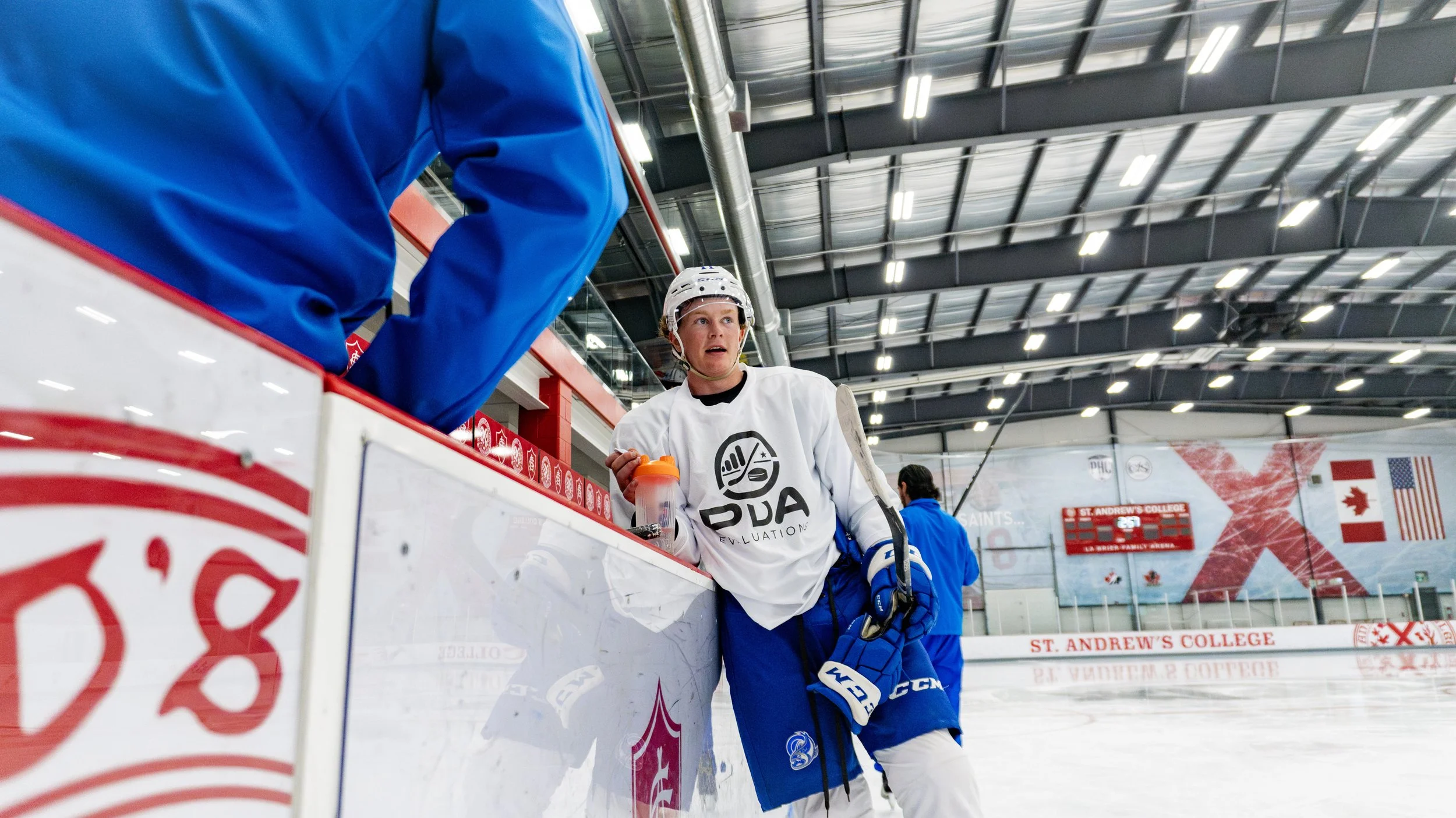
What if the real challenge isn’t working hard… it’s making your work translate when it matters most?
Why do some players work relentlessly in practice, but never look different when it matters?
They fly through drills. Sweat pours. Tempo stays high.
But when the puck drops, everything flattens.
Same reads. Same patterns. Same results.
It’s not effort that’s missing; it’s connection.
Elite players don’t just work hard in practice, they build habits that hold up when everything’s on the line.
They build habits they can rely on under pressure.
They don’t just do the drill, they play it.
So here’s the real question:
What separates players who look fast in practice… from those who actually compete at game speed?
Let’s dig in…

The Compete Switch
When Stanley Cup champion Andrew Ladd broke into the NHL, he didn’t turn heads with flashy highlight-reel plays. What coaches noticed was how he approached the work.
He never coasted through drills. Never cheated a rep. Every skate, every rep was full throttle.
Those habits built his reputation early. Teammates and coaches described him as a player who showed up the same way every day — deliberate, engaged, impossible to outwork.
That’s what separated him…
Ladd had learned to flip the compete switch.
He didn’t pace himself or save energy for game night.
He practiced like it counted, because for him, it always did.
Backed by Science:
Studies in performance psychology (Weinberg & Gould, Foundations of Sport and Exercise Psychology) show that intentional practice with variability and pressure produces greater skill transfer.
The best athletes don’t just repeat skills, they replicate stress. They make practice feel like a live test, mentally and physically.
That’s how transfer happens. That’s how habits harden.
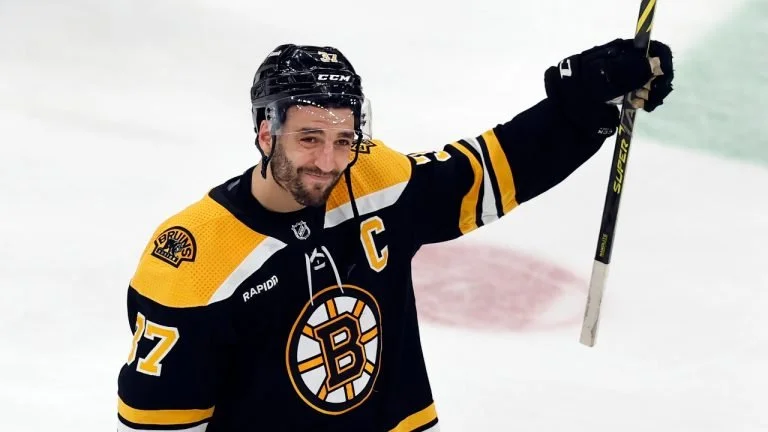
The Habits of Players Who Think Ahead
Patrice Bergeron was more than the NHL’s model two-way center.
He was one of the league’s best practice players.
Teammates said he never coasted. Not once.
Whether it was a low-speed support drill or a 2-on-1 battle, he treated it like a game.
Brad Marchand once said:
“There were days he practiced harder than he played. You’d look over and think — ‘I can’t slack off, because Bergy’s going.’ It wasn’t about showing off. It was just who he was.”
Coaches used Bergeron as the tone-setter.
He tracked backchecks in drills.
He finished low touches with intent.
He communicated constantly, even when the drill didn’t require it.
He didn’t wait for game day to play with urgency.
He trained with it, every single rep.
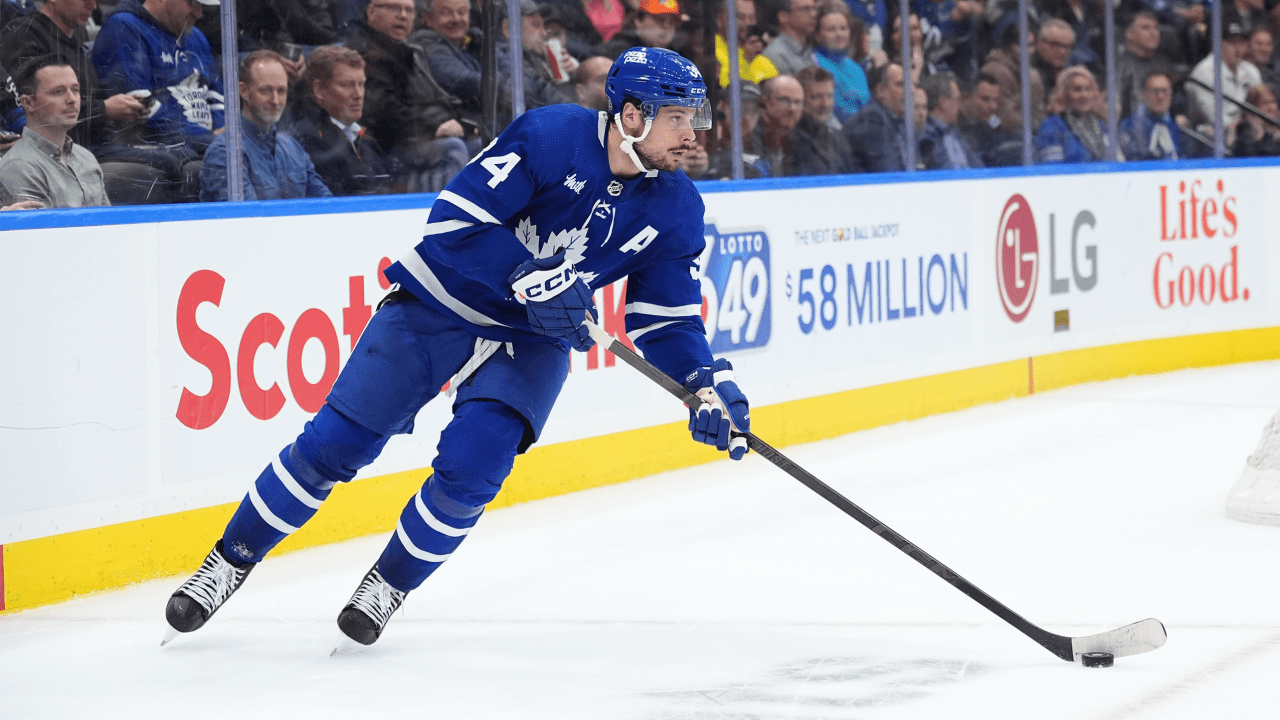
Drill Speed ≠ Game Speed
Let’s kill the myth: skating fast in drills doesn’t mean you play fast in games.
Drill speed is how fast you move through a pattern.
Game speed is how fast you read, adapt, recover, and respond.
Most players push the first, few train the second.
They move hard but think slow.
Ask yourself after each drill:
Did I scan before I touched the puck?
Did I finish with the same urgency I started?
Did I make a read or just move fast?
Without those habits, drill speed becomes cardio.
It builds sweat, not separation.
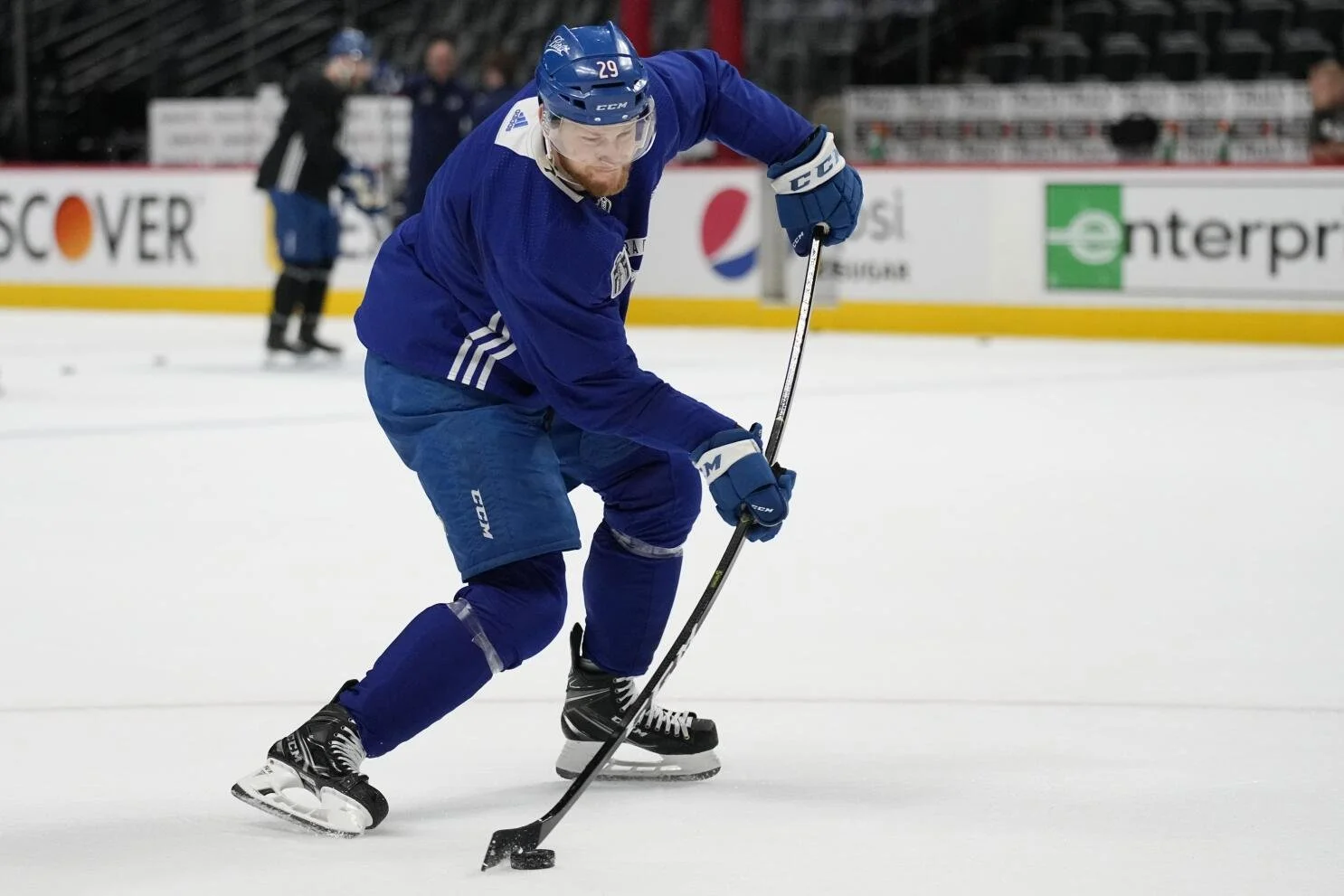
How to Practice Like a Gamer
Before the drill:
Ask: “What’s the game scenario here?”
Don’t just think “how do I win?” think “how would this look in a shift?”
During the drill:
Scan shoulder-to-shoulder before puck touches.
Call for pucks, engage, communicate.
Move after you pass, don’t coast.
React when plays break down. Don’t reset, respond.
After the drill:
Take 10 seconds to replay it mentally.
Ask: “Would I do that in a game?”
Watch others. Steal good habits.
Every rep becomes data. Every rep, a rehearsal.
Trainer’s Lens: Train for Transfer
NHL performance coach Kevin Neeld sums it up:
“Repetition isn’t enough. Transfer is the goal.”
That means:
Don’t just run patterns, add variables.
Don’t just finish drills, learn from breakdowns.
Use small-area games that shift rules mid-rep.
Emphasize awareness over execution.
Every drill should test decision speed, not just execution speed.
That’s what separates practice from performance.
Three Quick Questions to Reframe Every Rep
After your next skate, ask yourself:
Did I practice decisions or just moves?
Did I create game problems or solve them?
Would a coach trust the habits I showed today?
Those three questions turn effort into growth.
Practicing Hard vs. Practicing Like a Pro
Practicing hard is about output.
Practicing like a pro is about connection.
Elite players don’t just clock hours, they create transfer.
They treat every rep as rehearsal.
They compete. They adjust. They make others better.
They don’t just check boxes.
They build a game that’s worth noticing.
Because the way you practice is the way you play…
Especially when it matters most.
Talon Mills
