
The PDA Newsletter | Skill Blockers
Why Bad Habits Override Talent

What if your biggest problem isn’t what you’re missing, but what you keep repeating under pressure?
Every season, you see it…
The smoothest skater.
The hardest shot.
The quickest hands.
And yet, when the game speeds up, when it matters most, they vanish.
They don’t run out of talent.
They run out of trust in their game.
At the higher levels, the difference between “talented” and “trusted” isn’t mechanics.
It’s your defaults.
Under pressure, you don’t rise to your level of training, you fall to your level of habits.
Those hidden anchors that cancel out your talent when it counts?
They’re called Skill Blockers.
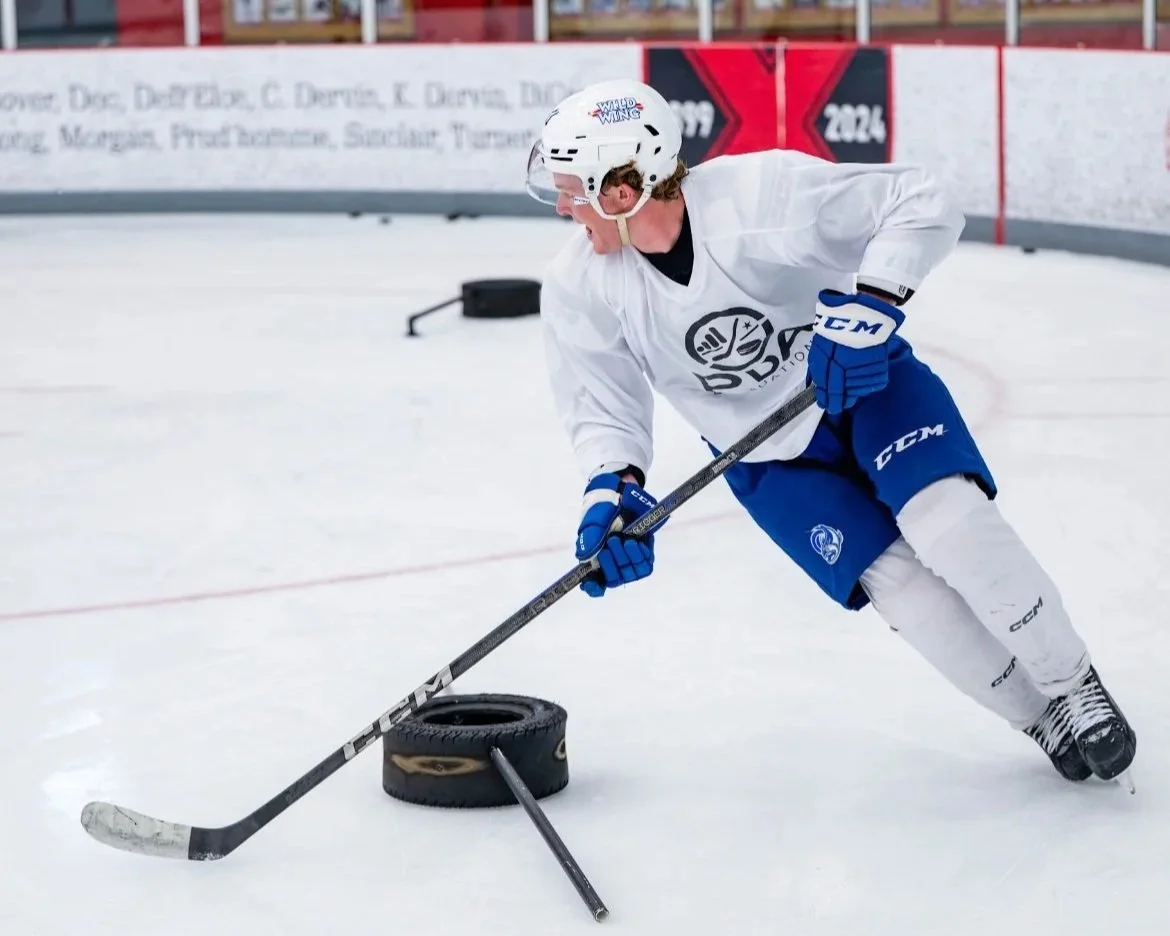
What Skill Blockers Really Are
A Skill Blocker is a habit that overrides your training when the stakes climb.
It’s automatic, subconscious, and usually invisible until it costs you a shift, a turnover, or a coach’s trust in you.
Think about it:
You train puck protection for half an hour — but turn your back without scanning in a game.
You hammer one-timers all summer — but your feet stop moving when you shoot.
Those aren’t mistakes. They’re habits.
And under pressure, habits always win.
Research in motor learning backs this up: when stress rises, players default to their most deeply ingrained movement patterns, not their ideal ones. Unless skills are built with game cues and variable conditions, the “perfect rep” in practice gets erased by the first ounce of in-game chaos.
Skill Blockers don’t care how smooth you look in drills.
They only care about what you do by default when it matters most.
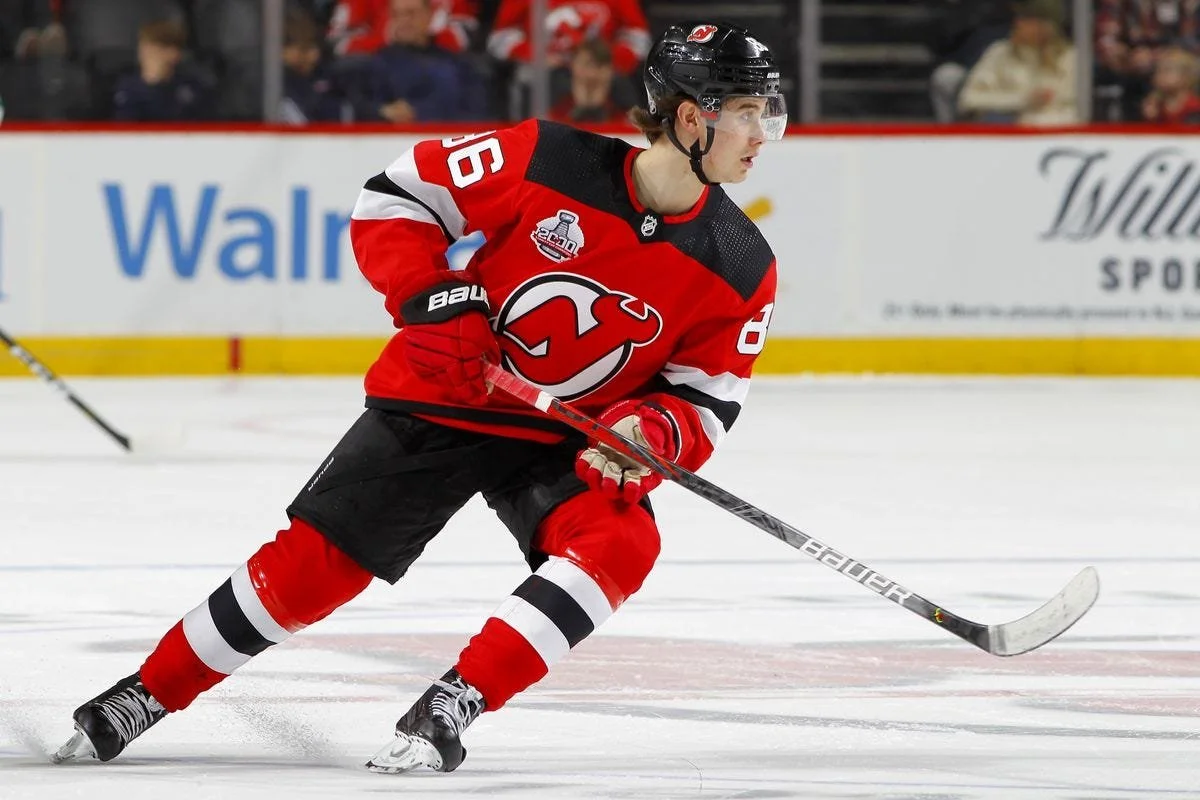
The Turning Point: Jack Hughes
Early in his NHL career, Jack Hughes was a highlight reel waiting to happen, but not always a driver of play like he was for the U.S. National Development Team. He overhandled, drifted, and disappeared off the puck. Scouts and management loved the talent, but the game didn’t always run through him. They knew he had more to give.
So Hughes went to work.
With skills coach Adam Nicholas, he shifted focus from skill execution to skill transfer. They built habits that allowed his tools to survive the pace of the NHL; scanning early, supporting pucks, and keeping his feet moving after every pass.
Less drifting. More touches. Faster reads.
The results came fast: from 31 points as a rookie to 99 in his fourth season.
The transformation wasn’t about his talent. It was about cleaning out the blockers, the small, automatic habits that used to cancel out his skill.
Once he fixed those, his game finally connected.
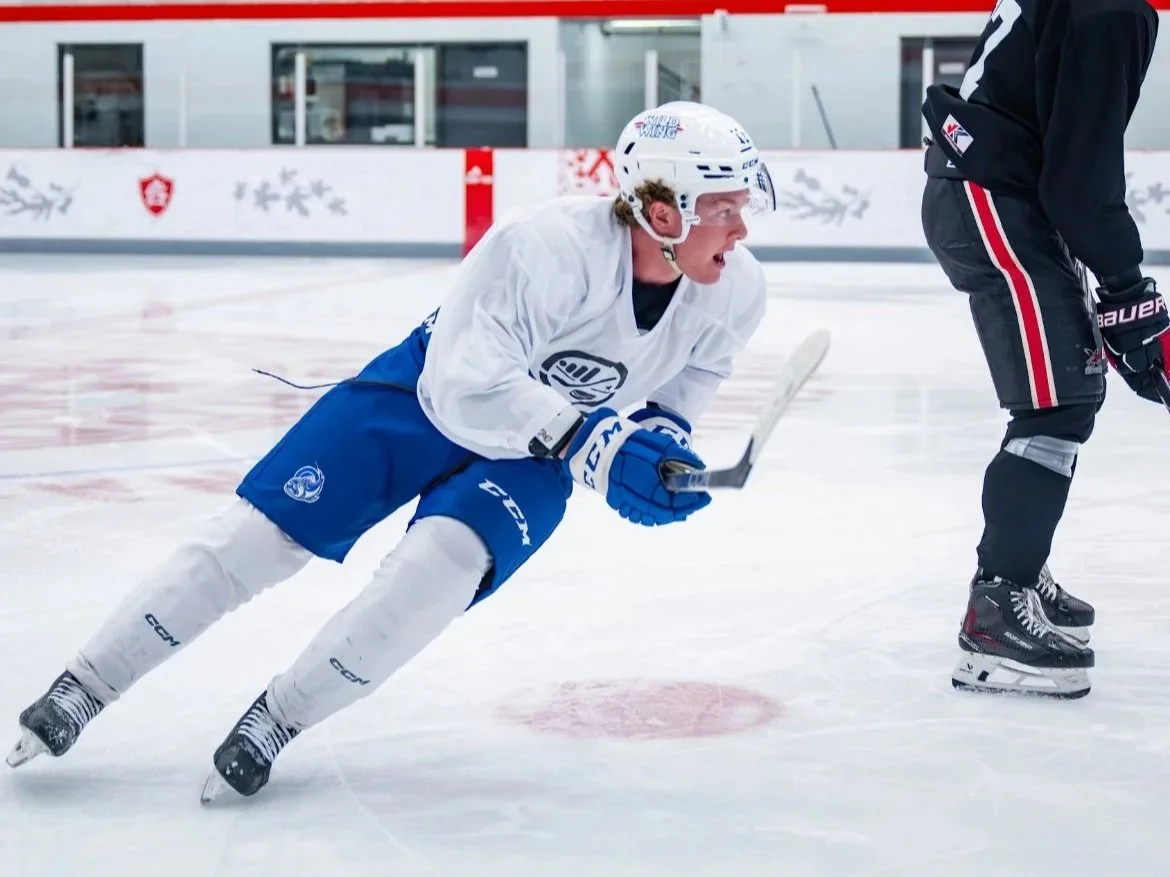
The Most Common Skill Blockers
You can’t fix what you don’t name.
Here’s what shows up most:
Lazy Stick Position
Stick up around the waist, zero threat, zero disruption. Passing lanes stay open, and coaches read it as disengaged. The best defenders apply pressure before they even move their feet.
Coasting Into Contact
You pull up before impact, killing momentum. To a coach, that hesitation reads soft, not safe. The players who stay in motion are the ones teams can depend on.
Puck Watching
Eyes chase the puck instead of the play. You react late, arrive late, and miss the next layer of the game. Elite players scan, they see what’s coming, not just what’s happening.
Overhandling
One extra touch gives defenders time to close. Overhandling feels like control but kills tempo. The best players attract pressure, then move it before it arrives.
Floating After the Pass
You dish and admire instead of reloading. The play dies when your feet stop. Elite players pass, then sprint into space to stay connected to the attack.
Each one seems small.
But each one sets your game back.
The Coach’s View
Former CHL coach and Hockey Canada instructor Paul McFarland once put it simply:
“It’s not whether you can make a great play. It’s whether I can trust you to make the right one nine times out of ten.”
That’s the real bar.
Skill Blockers don’t just affect execution, they affect reliability. A coach might admire your highlight tape, but if your habits fall apart under pressure, they can’t depend on you when the game’s on the line.
Talent opens doors.
Your habits decide whether you stay on the ice.
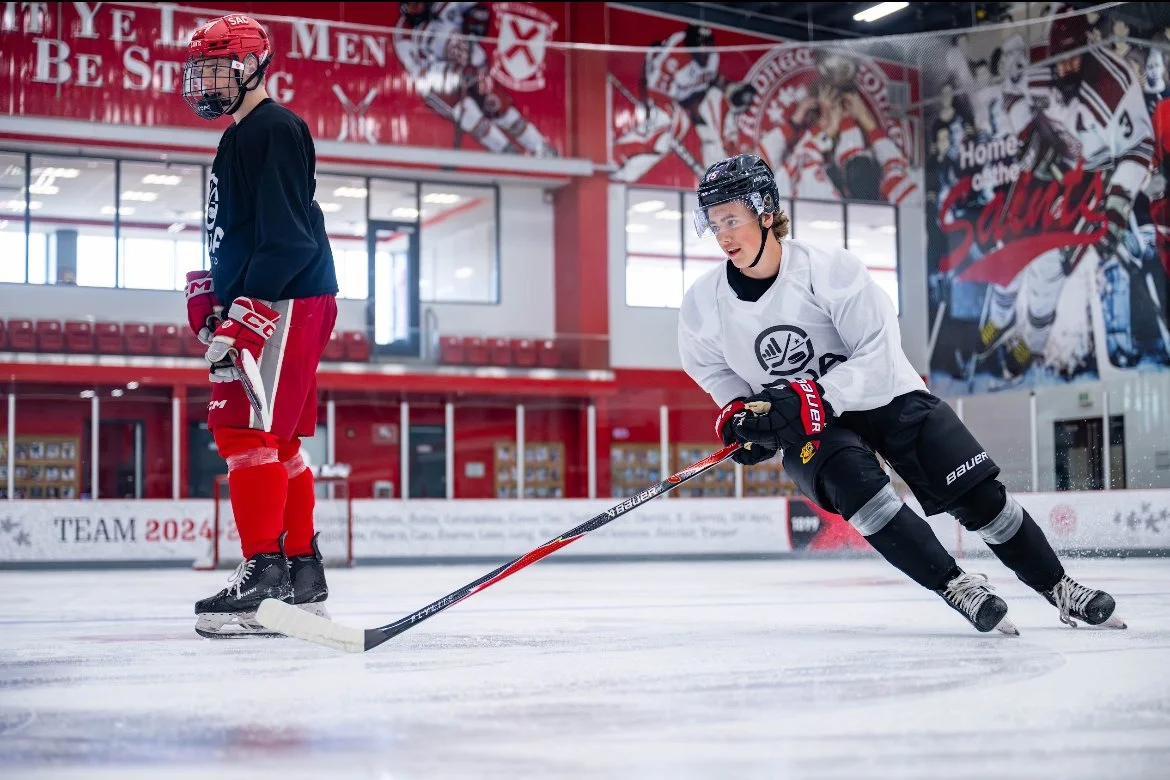
How to Find Yours
The first step isn’t more training…
It’s honesty.
Watch your three worst shifts.
Not your goals, not your clips, your real pain points.
Ask:
Where was my stick when I didn’t have the puck?
Did I stop my feet under pressure?
Did I scan before receiving?
Was I supporting or spectating?
Ask a coach or trainer.
Use this phrasing: “What’s one habit in my game that’s holding me back right now?”
You might not love the answer, but it’ll be true.
Track repeat mistakes.
Every time you drift, miss a stick, or delay under pressure, be conscious about it.
Patterns equal problems.
And awareness is the beginning of fixing them.
Replacing The Blockers
The good news: Skill Blockers aren’t permanent, they’re programmable.
Elite players remove them the same way they built them: one repetition at a time, tied to a specific cue.
Example:
Blocker: Coasting into the defensive zone
Cue: Puck crosses your blue line
Fix: Three hard strides + shoulder scan
Reps: Practice in retrieval or full-ice rush drills
Small changes.
Massive shift in your game.
The Bottom Line
The biggest obstacle to your growth probably isn’t effort or talent…
It’s the quiet pattern that keeps showing up when you least notice it.
Skill Blockers override talent under pressure.
Remove them, and your real skill finally shows up when you need it most.
That’s when coaches and scouts stop seeing potential, and start seeing reliability.
Talon Mills
Up next in the PDA Newsletter
This Thursday in The PDA Newsletter: Your Kid, Not Their Stats
Somewhere along the way, youth hockey turned into a scoreboard — not just on the ice, but in every conversation after.
Goals. Points. Rankings.
But numbers can’t capture the quiet progress, the lessons learned in failure, the growth between games, the resilience built when no one’s watching.
This week, we’re shifting the focus back to what matters most: your kid, not their stats.
