
The PDA Newsletter | Beyond the Box Score
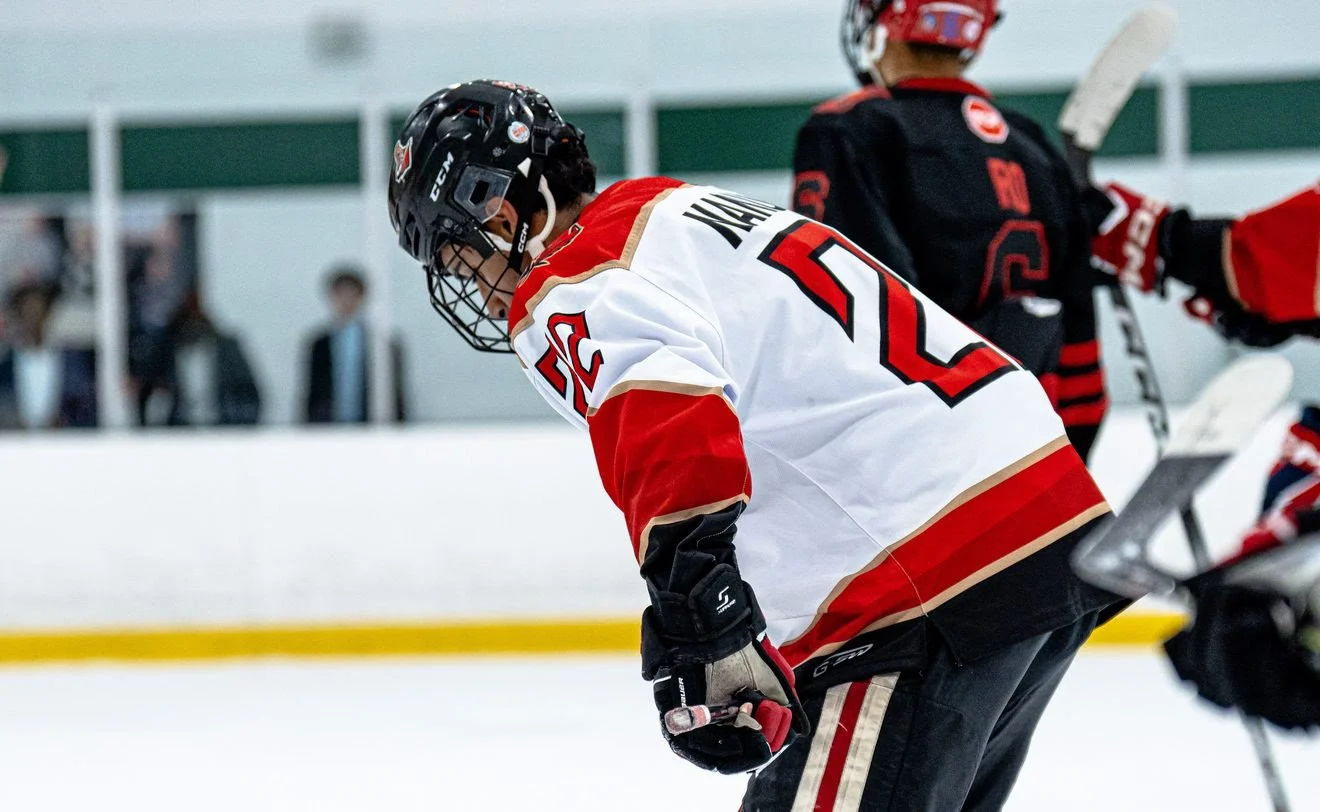
What number would you attach to your kid if stats didn’t exist?
It's Sunday night…
The tournaments over.
The team fell short in the semis.
Your kid played well… you think.
A few smart plays. A couple hard battles. Some crisp passes.
But…
No goals. No assists. No points…
On the drive home, you open the stat tracker.
You scroll.
You look with intent.
Yet what you find isn't what you were looking for…
There their name sits, greyed out between two bolded scorers.
“I thought you played great,” you say.
“Didn’t show up on the sheet,” they reply.
The hum of the drive home fills the silence…
And in that moment, something shifts.
Because now, they’re not a player, they’re a number…
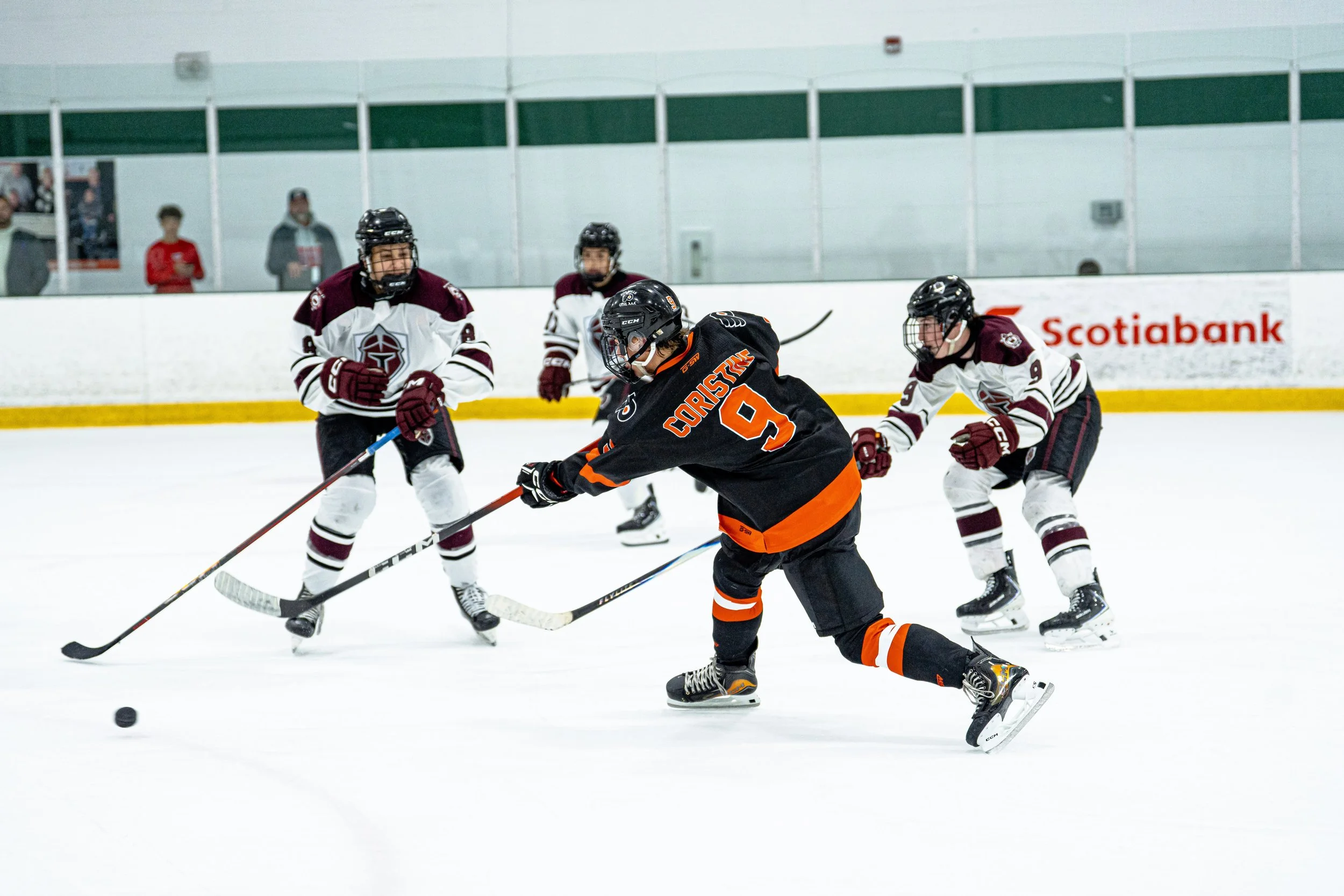
The Counting Trap
Hockey’s obsession with measurement runs deep…
Goals. Assists. Faceoff percentage. Shots. Save percentage. Time on ice.
We track everything… and it's not just scouts.
Parents do it.
Coaches do it.
Kids do it.
They start keeping invisible scorecards in their heads:
“I haven’t scored in three games.”
“He has more points than me.”
“If I don’t get on the board, I’ll lose my spot in the lineup.”
The pressure doesn’t come from effort. It comes from what counts.
And without realizing it, we teach them that worth can be totaled; that the numbers define the player.
But stats don’t tell the full story.
They tell you what happened in a game, not who they are as a player.
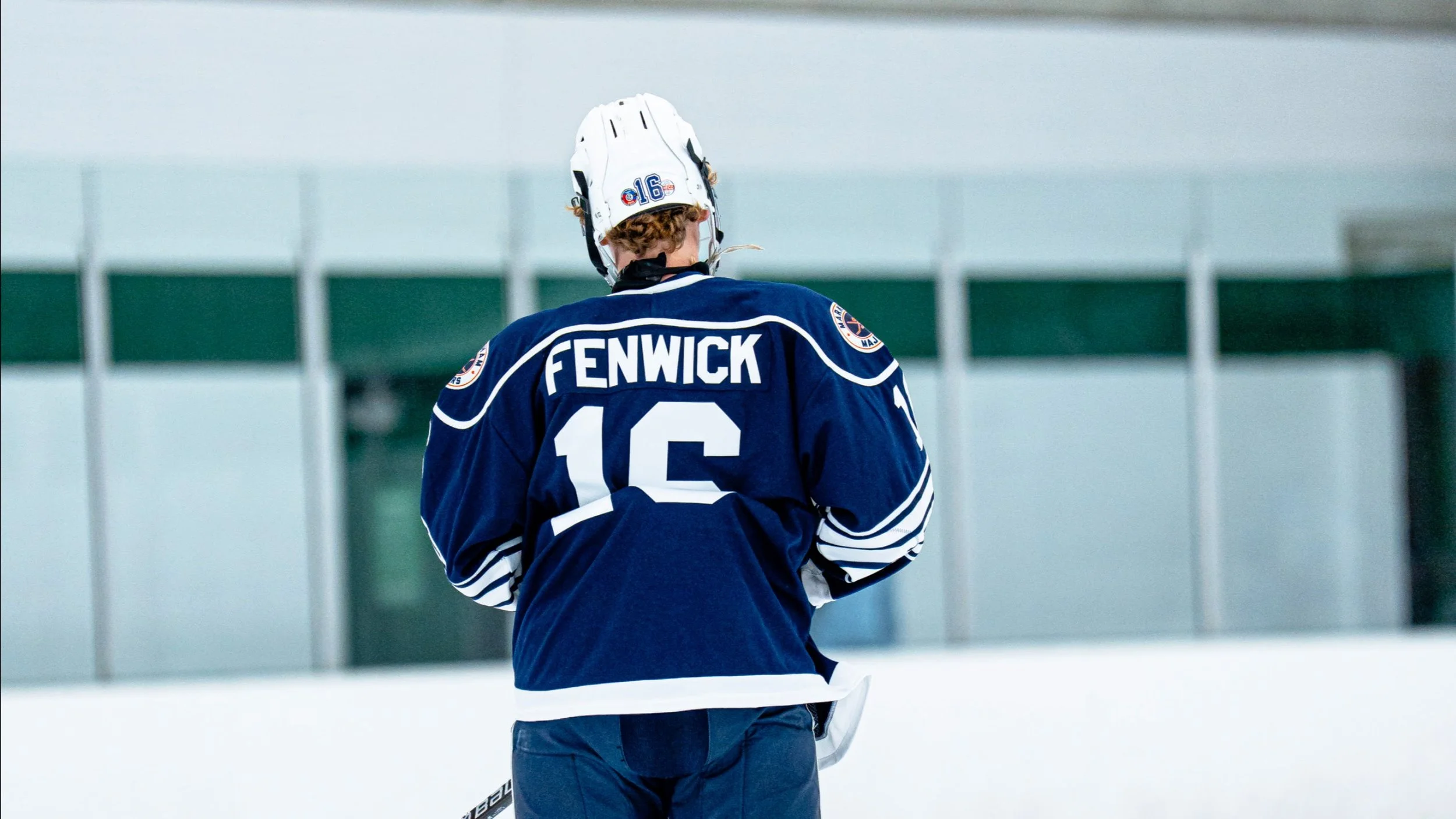
When Measurement Becomes Meaning
Research in The Sport Psychologist and Psychology of Sport and Exercise shows that overemphasizing external rewards; goals, rankings, and recognition — erodes the joy that drives development (Amorose & Anderson-Butcher, 2007; Ryan & Deci, 2000).
When kids equate self-worth with the scoresheet, the love of the game fades.
Anxiety rises. Confidence falls.
And over time, the scoreboard becomes a mirror, reflecting not performance, but identity.
But when parents shift focus to effort, decision-making, and team play, something powerful happens.
Motivation deepens. Resilience grows.
Kids start chasing improvement, not approval.
That’s the spark that keeps them in the game.
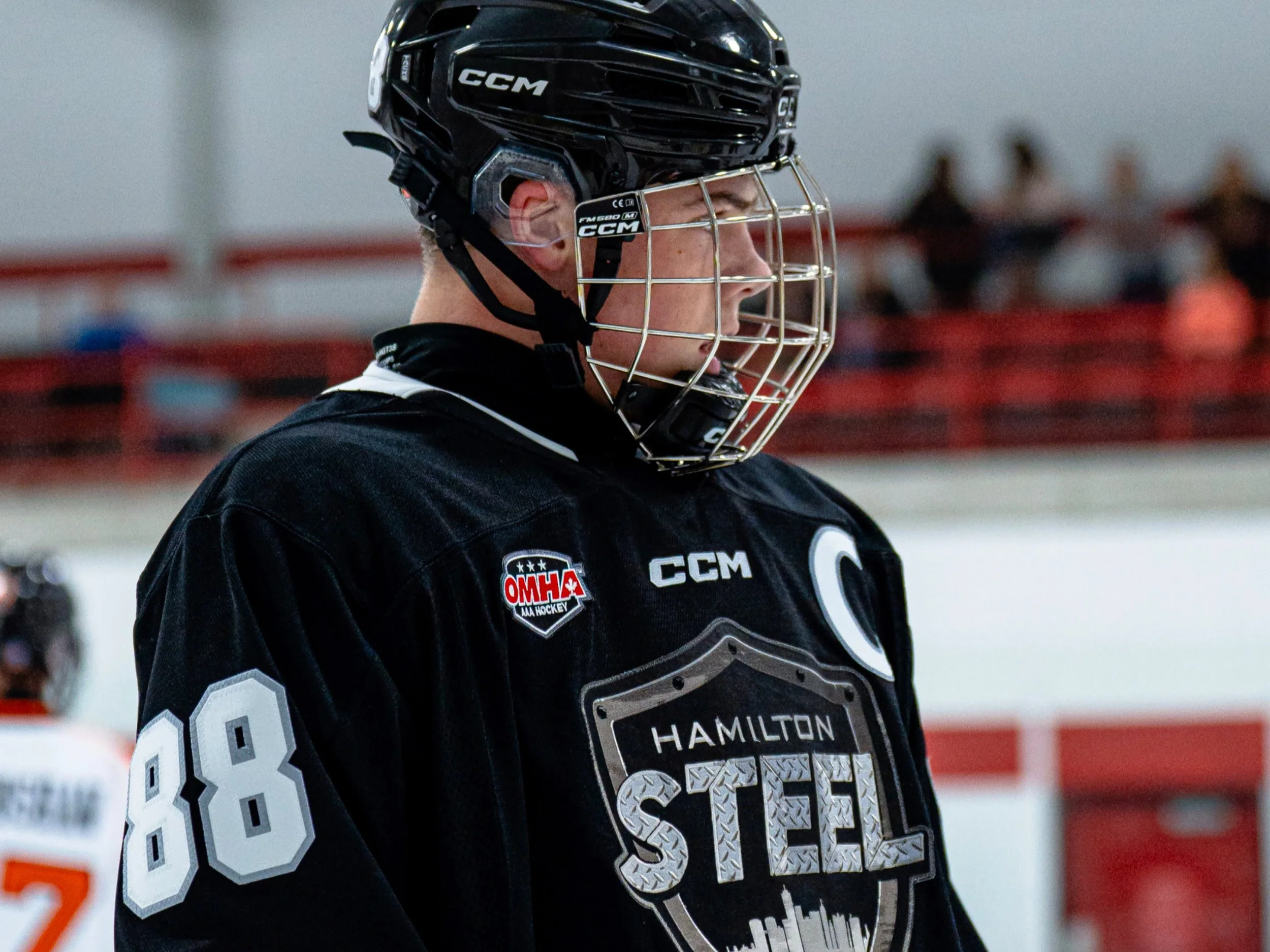
The Invisible Contributions
Not every great performance fits inside a stat line.
Here’s what rarely gets counted:
The perfect stick lift on a backcheck
The rim-around under pressure to relieve the zone
The kid who lifts teammates in a tense room
The forward who draws coverage and opens space
The quiet shutdown shift that kills a rally
Those details aren’t always eye-catching, but they matter.
Because youth hockey isn’t just about building players.
It’s about building people.
And when the things that don’t score go unnoticed, kids start asking a dangerous question:
“If no one sees it, does it even matter?”
What Parents Can Reframe
No one’s saying ignore stats. They have their place.
But they can’t be the whole picture.
Here’s how to shift the focus:
1. Praise Process, Not Points
Instead of “Nice goal,” try:
“I loved how hard you drove the net all game.”
Instead of “You didn’t get anything today,” say:
“Your forecheck created chances all night.”
2. Ask Better Post-Game Questions
Instead of “Did you get any points?” ask:
“What did you feel proud of today?”
“What play showed your effort the most?”
3. Tell Stories About the Unsung Heroes
Talk about the penalty killers, the shot blockers, the leaders who never top the scoresheet.
Show your child that hockey is a game of roles, not always highlights and points.
The Real Risk
When everything is measured, nothing feels like it’s enough.
We shrink the game into something transactional… a tally instead of a journey.
And when kids stop hitting the numbers, they start wondering why they should try.
Not because they don’t love hockey.
But because they think hockey doesn’t love them back.
The Perspective That Lasts
So let’s circle back:
What number would you attach to your child if stats didn’t exist?…
You wouldn’t.
Because you’d see what’s real:
The courage to compete
The growth from last season
The confidence to try the hard play
The character forming, shift by shift
Your child isn’t a stat line.
They’re a developing athlete, a teammate, a person.
And none of that fits in a post-game box score.
The scoreboard can’t measure their journey.
But you can…
Next game, when they skate off the ice, forget the numbers.
See your kid instead.
Talon Mills
Picture Credits: @resko.png
Up next in the PDA Newsletter
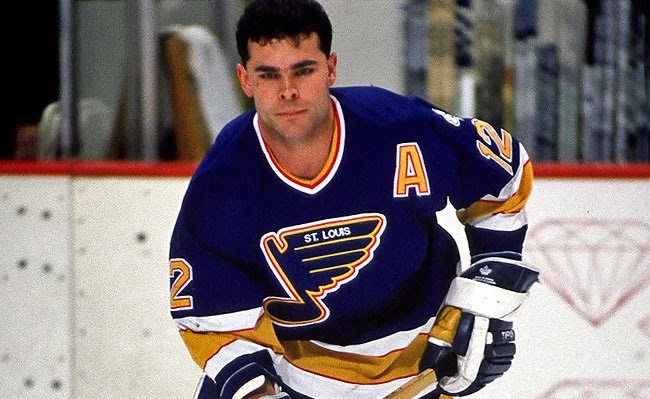
Next up in the PDA Newsletter: The Adam Oates Case Study
This Monday, we break down Adam Oates: Blueprint from the Great One.
This article is a look at how one player turned film study into a Hall of Fame career. If you’re a true student of the game, you won’t want to miss this one.
