
The PDA Newsletter | Mastering The Micro
Why Tiny Details Create Big Gaps
What if the smallest part of your game was the biggest reason you’re not taking the next step?
Every player chases the big fixes…
More speed. More strength. More goals. More reps.
But when you talk to high-level coaches, skills trainers, or NHL veterans, the answer is almost always the same:
The biggest gap isn’t size, skating, or raw talent…
It’s the tiny details that are hidden inside the habits players overlook.
So here’s the real question:
What if the difference between you and the next level isn’t a massive change, but a 2% detail you’ve been ignoring all year?
Let’s zoom in…
What Is a Micro-Skill?
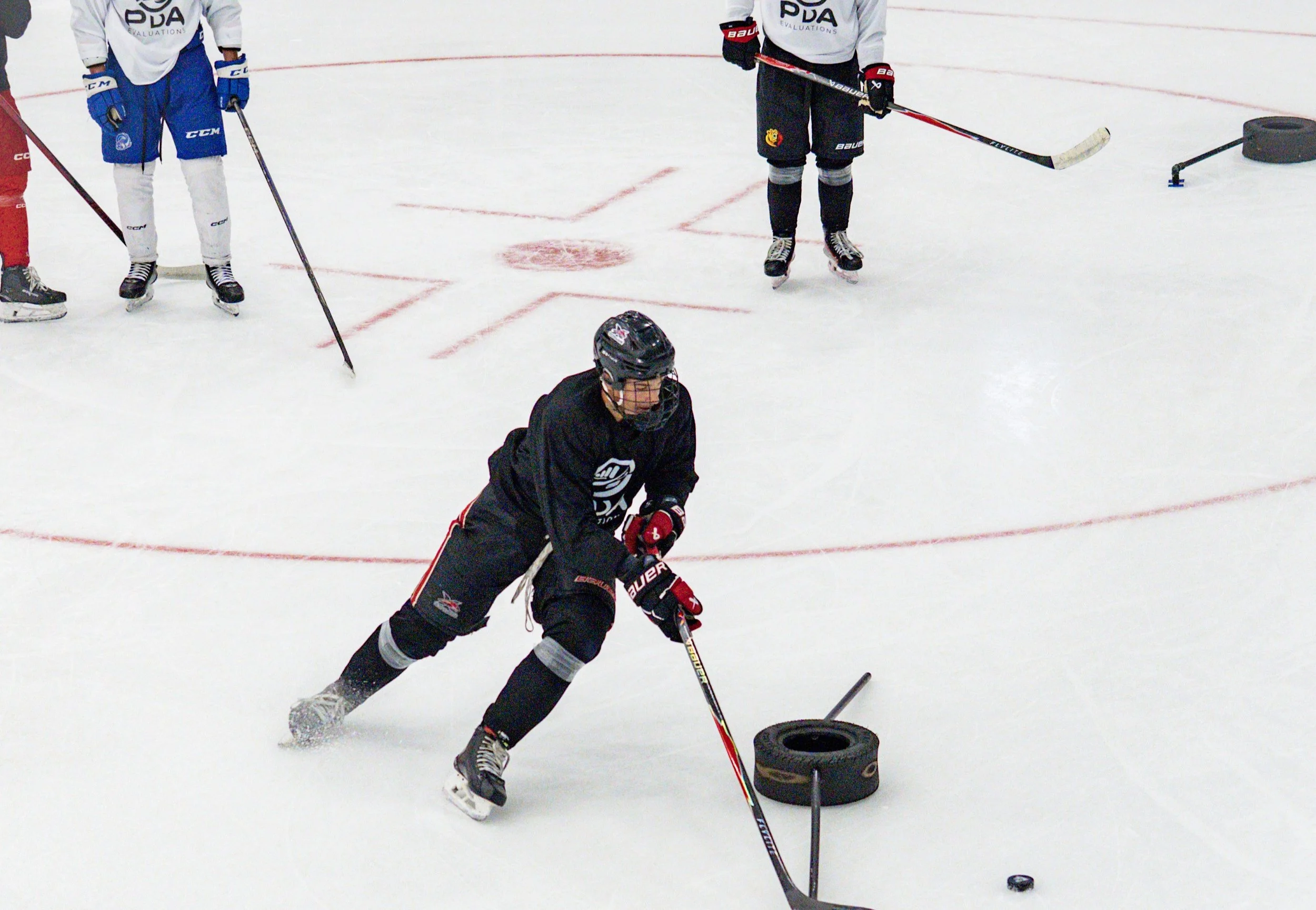
A micro-skill is the smallest meaningful unit of a hockey action — the detail that makes the larger skill work.
It’s not:
“Get better at shooting.”
It’s refining your blade angle when shooting off the pass.
“Improve your puck handling.”
It’s pulling the puck through your triangle under pressure.
“Be better defensively.”
It’s winning inside foot position before contact.
These aren’t the details fans see.
They’re the details that build the highlights fans see.
Why Tiny Skills Create Massive Gaps
One smoother stride angle.
One quicker shoulder check.
One cleaner catch-and-release.
Individually, they feel insignificant…
But over weeks and months, they compound — creating the gaps coaches talk about:
Gaps in confidence
Gaps in pace
Gaps in trust
Gaps in game impact
Skills coach Darryl Belfry says it best:
“It’s not about adding more to your game. It’s about tightening the bolts that are already loose.”
And the research backs it up.
A 2020 Journal of Expertise study found that elite performers across sports prioritize micro-adjustments and fine motor calibration far more than their peers — leading to faster improvements and better execution under pressure.
Micro = multiplier.

Proof From the Ice: A Master of the Small Things
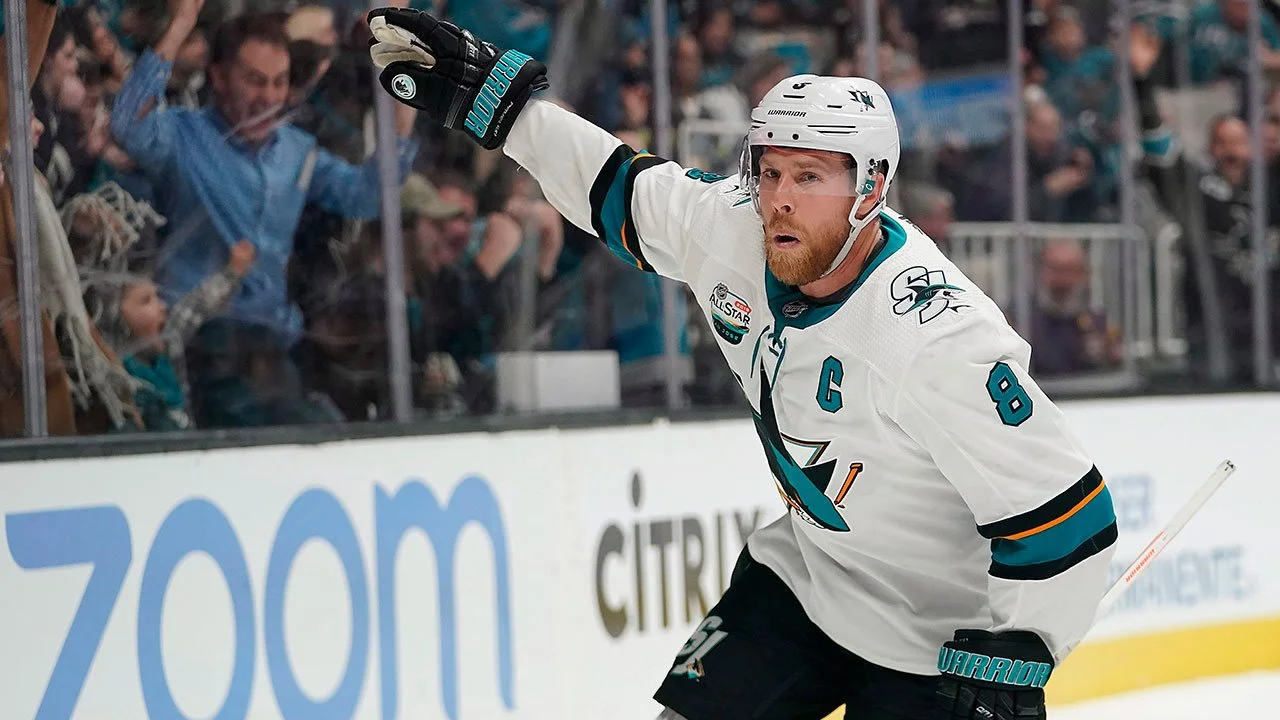
Few players embody micro-skill mastery like Joe Pavelski.
He didn’t carve out 1,000+ NHL games with blazing speed or overpowering size…
He did it with exceedingly precise details in his game.
His hand placement on tips.
His angle on net-front screens.
His timing arriving at the crease.
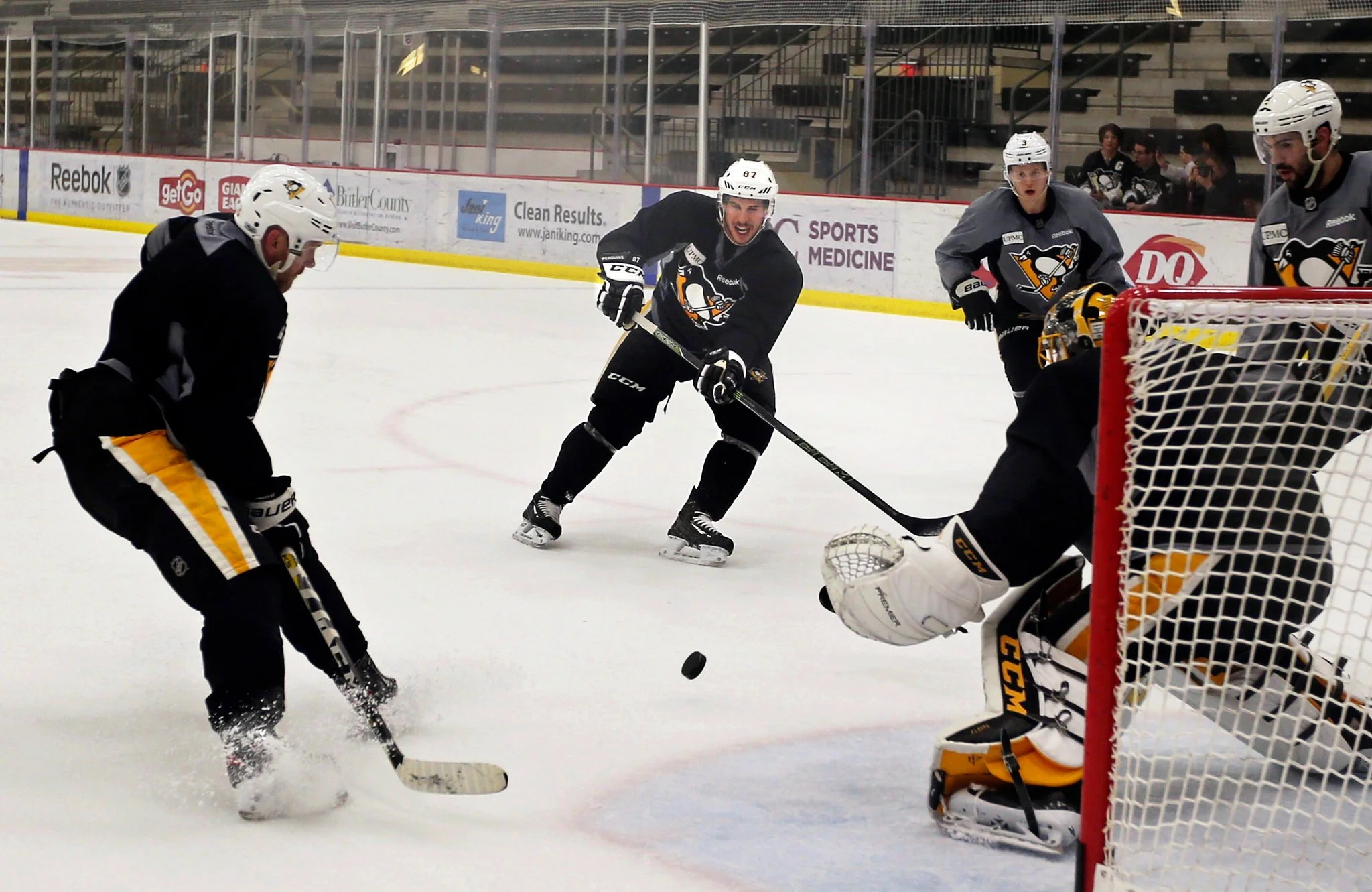
These details are so precise that teammates joke Pavelski “runs a clinic during practice.”
Former Sharks head-coach Todd McLellan put it simply:
“Joe’s one of the top two or three practice players I’ve been around. … He knows something’s going to happen in a game and once we’re done all the [regular drills], instead of just flipping pucks in the stands or shooting them off posts, he sets up situations, he gets people to come help and he’s improved tremendously because of that.” - Sportsnet
Pavelski didn’t add more to his game….
He mastered the inches inside it.
Drill Speed ≠ Game Speed
Most players:
Get bored when progress feels slow
Don’t notice improvements right away
Assume they already “know” the skill
Chase complexity before consistency
But elite players are wired differently…
They’d rather take 100 reps of one micro-skill
than 15 different shots they’ll never use in a game.
They understand that greatness lives in repetition, not reinvention.
The Micro-Skills That Separate Players
Shooting
• Micro-Skill: Catch-and-release off your inside foot
• Impact: Faster, harder shots under pressure
Skating
• Micro-Skill: First three strides after a change of direction
• Impact: Beats defenders in transition
Passing
• Micro-Skill: Punch pass with proper weight and timing
• Impact: Gives teammates more time and space
Puck Protection
• Micro-Skill: Hip rotation with inside-hand pressure
• Impact: Maintains possession in chaotic areas
Defensive Play
• Micro-Skill: Stick positioned just outside the passing lane
• Impact: Disrupts plays without overcommitting
Off-Puck IQ
• Micro-Skill: Reading a defender’s pivot before cutting
• Impact: Creates separation as the F3
Not flashy.
Not loud.
But devastatingly effective.
How to Train Micro-Skills Like a Pro
1. Zoom In Before You Zoom Out
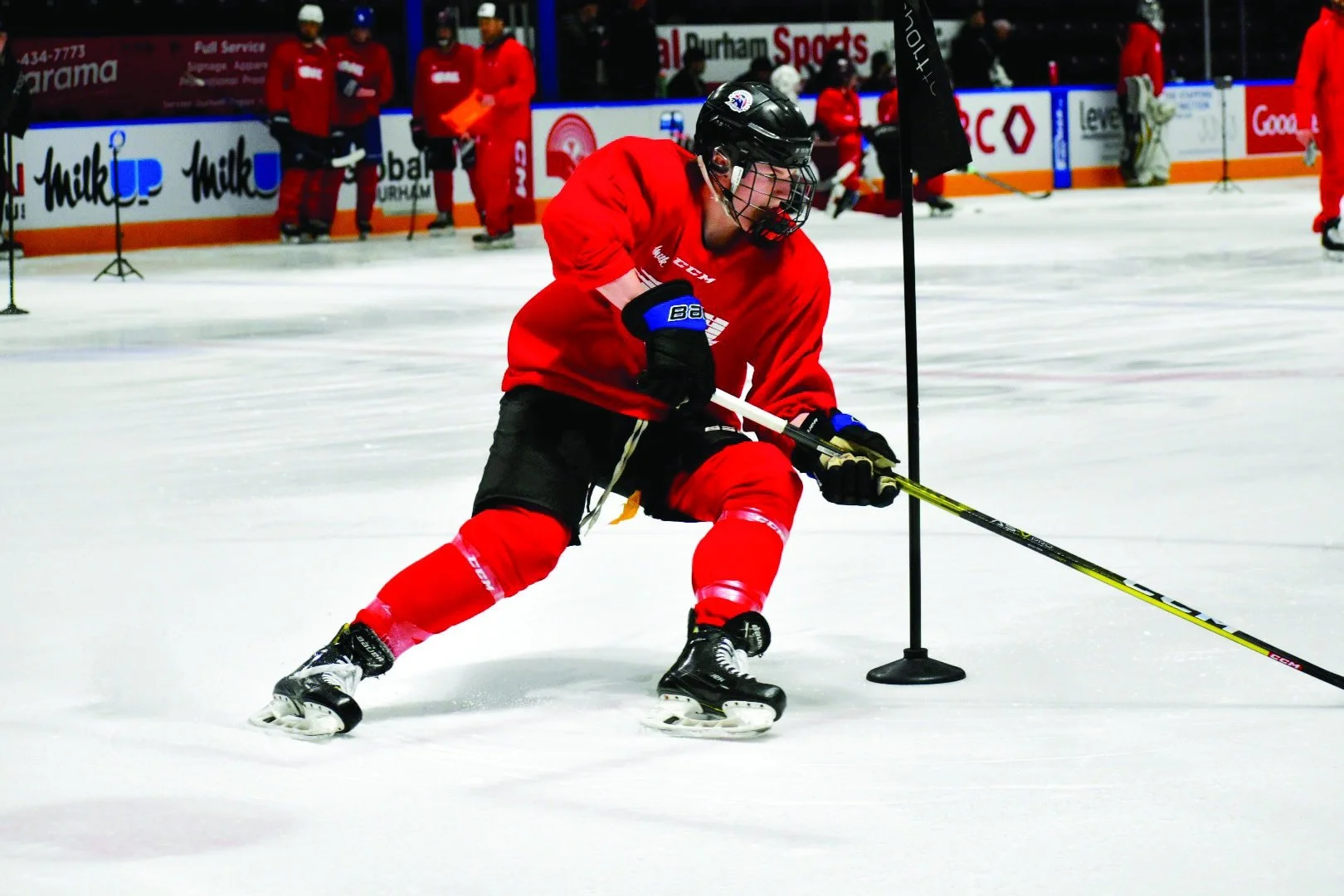
Pick one specific element of your game.
Not: “Be better in the O-zone.”
But: “Improve my stick angle on net-front tips.”
2. Break It Down
Film the reps. Slow it down. Ask:
Where is the breakdown?
Is my balance right?
Is the puck in my hip pocket?
What does it feel like when it’s correct?
3. Repetition Until Boredom
If the reps feel boring, you’re finally doing them right.
Elite players grind:
10 shots off one foot
15 puck picks off the half-wall
20 precision backhand passes
Consistency beats creativity until the habit is wired.
4. Add Game-Like Pressure
Once the motion is clean, add chaos:
Time limits
A defender or two
Random cues
Decision-making layers
A micro-skill isn’t real until it survives pressure.
Mindset Shift: Trust Is Built on Tiny Details
Here’s what coaches actually want:
Reliability
Repeatability
Precision under pressure
Micro-skills produce all three.
It’s why the most trusted players aren’t always the biggest or fastest; they’re the ones who do the small things right every single time.
Build Your Personal Micro-Skill Stack This Month
Try this:
Pick 1–2 micro-skills for your position.
Have a coach watch and give specific feedback.
Block off a 10-minute “boring reps” window daily.
Track progress weekly through video, feel, or feedback.
Small hinges move big doors.
So Why Do Micro-Skills Matter So Much?
Let’s return to the opening question.
Most players chase breakthroughs.
Elite players hunt leaks, and fix them with precision.
Because when you master the invisible?
You start doing visible things others can’t.
Not because you’re bigger.
Not because you’re flashier.
Not because you’re “naturally skilled.”
But because your details stopped leaking speed, time, and opportunity.
The gap isn’t created by big moments.
It’s created by micro-skills, mastered one inch at a time.
Talon Mills
