
The PDA Newsletter | Not the Star, Still a Standout
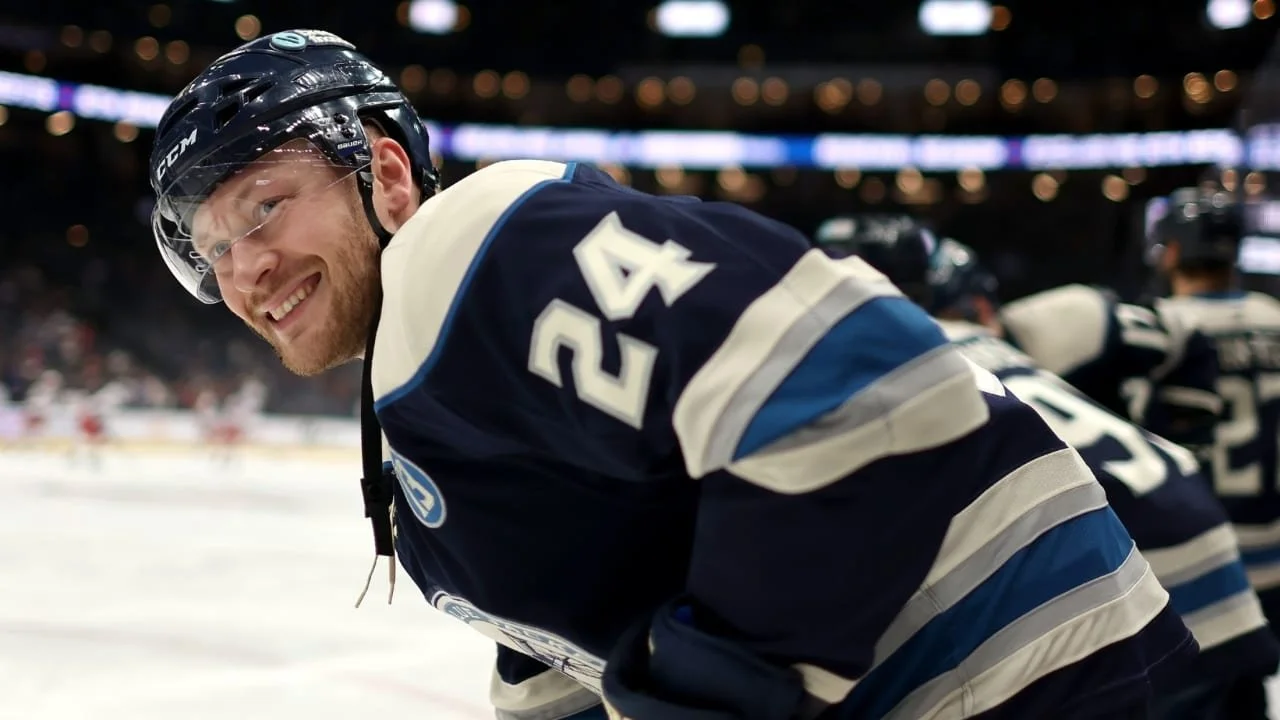
What if your kid’s value shows up in the shifts that don’t make the highlight reel, but impacts the game anyway?
Every team has the star…
The player whose name gets mentioned first.
Whose highlights get all the attention.
Who gets top power-play minutes, leads in points, and seems destined for the next level.
And then there’s your kid…
Maybe they’re the third-line forward who always finishes checks.
Maybe they’re the defenseman who blocks shots but doesn’t show up on the scoresheet.
Maybe they’re the backup goalie who keeps showing up with positivity, even when they don’t get the start.
They work hard. They care.
But they’re not the one everyone sees first…
And in a world obsessed with standout stats and big moments, you might wonder:
Is anyone even noticing?
The answer?
Yes…
If they’re looking at the right things.
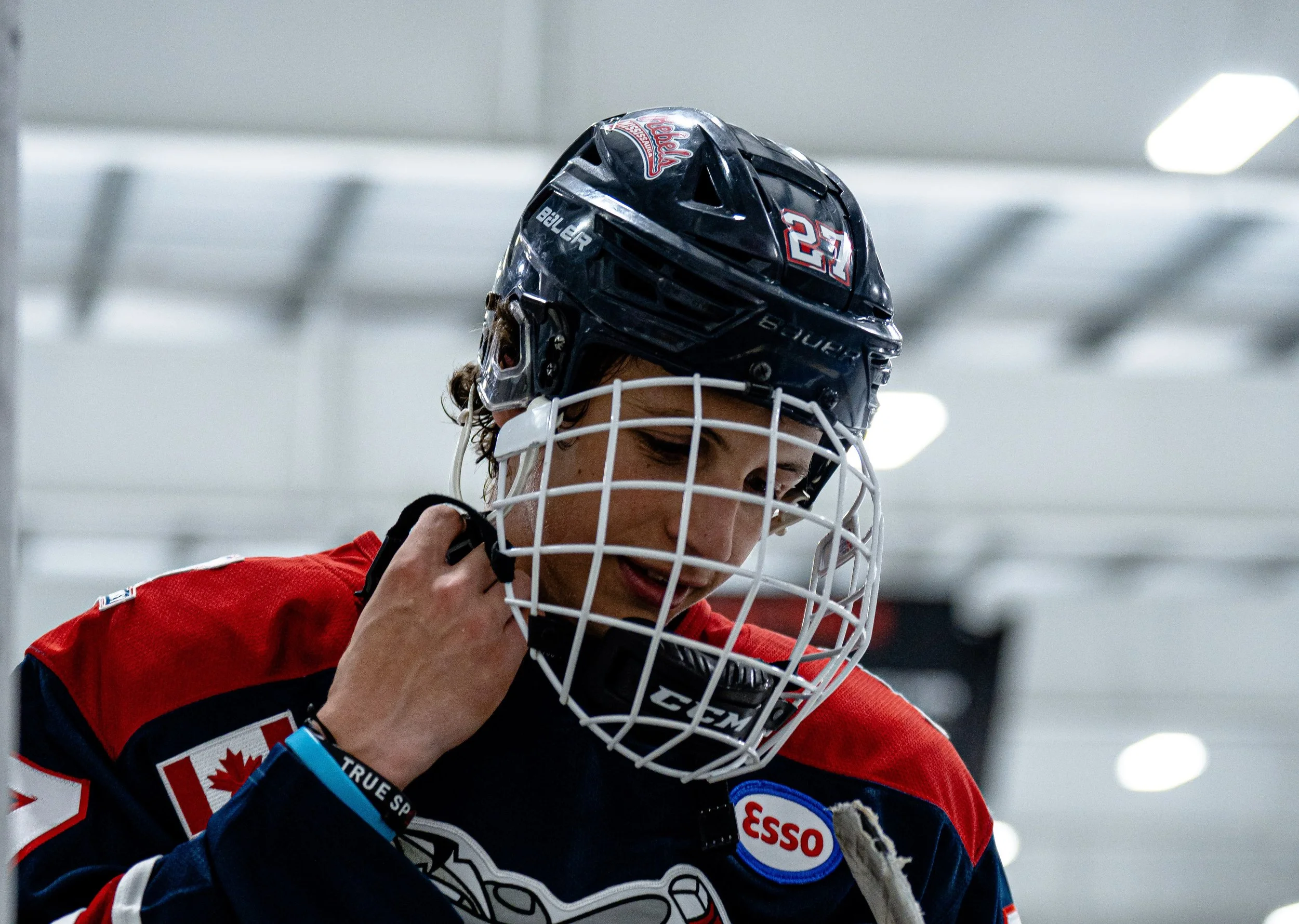
Why Roles Matter (Even When They Don’t Lead the Team)
A 2018 study from the Journal of Youth Sport revealed that players who identified with meaningful team roles, even secondary ones, had higher long-term motivation, coachability, and mental resilience than those whose identity was tied strictly to performance outcomes.
Backed by Science:
Research in The Sport Psychologist (Fransen et al., 2015) further shows that “role players” who embrace leadership through effort, communication, and accountability often elevate team cohesion and success — even if their individual stats don’t shine.
These players are called “social leaders,” and their presence impacts culture, chemistry, and consistency in ways that scouts and coaches deeply value — especially at the junior and collegiate levels.
So while being “the star” might get the spotlight…
Being a dependable, self-aware, team-first player builds something longer-lasting… identity without ego.
That’s what coaches remember.
That’s what scouts see.
That’s what real development is built on.
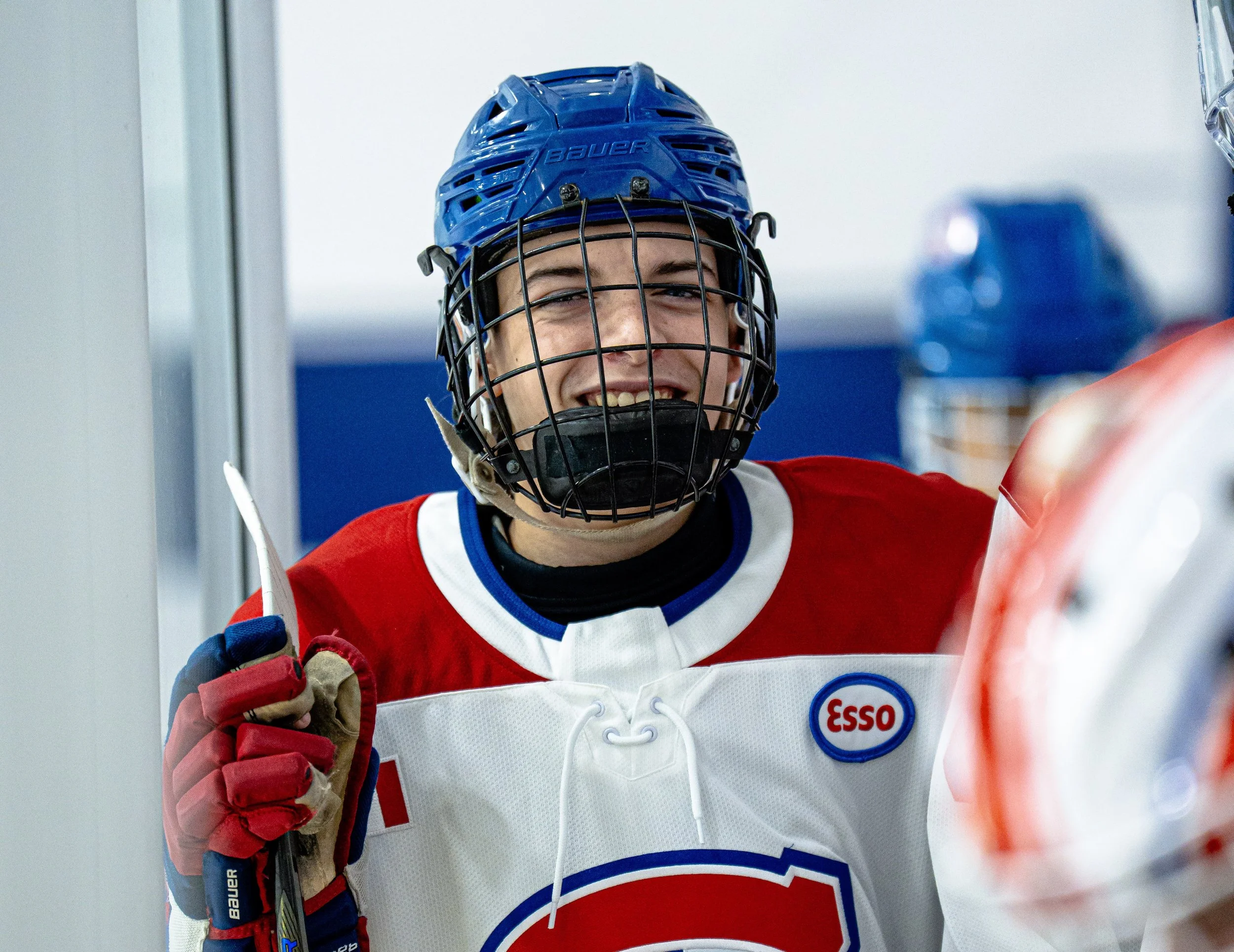
But It’s Hard to Watch, Isn’t It?
As a parent, you see their effort.
You know how much they care.
You’ve heard them talk about wanting to “make a bigger impact.”
And sometimes you wonder if their heart might be breaking quietly in the background, because they’re giving everything… and staying mostly unnoticed.
You don’t need them to be a star…
But you do want them to be seen.
Here’s what they need to hear from you:
“The scoreboard doesn’t show the full value of what you bring, and that’s okay.”
“That role you play, not everyone can do it. And not everyone’s willing to.”
“There are different kinds of leaders. You’re becoming one.”
Traits That Get Remembered
Ask any coach at the junior, college, or even pro level what they look for in recruits and you’ll often hear the same words:
Reliable
Coachable
Resilient
Unselfish
Hard to play against
They’re not just scouting skill…
They’re scouting habits.
They’re watching how your kid responds when they don’t get the call, the shift, the minutes.
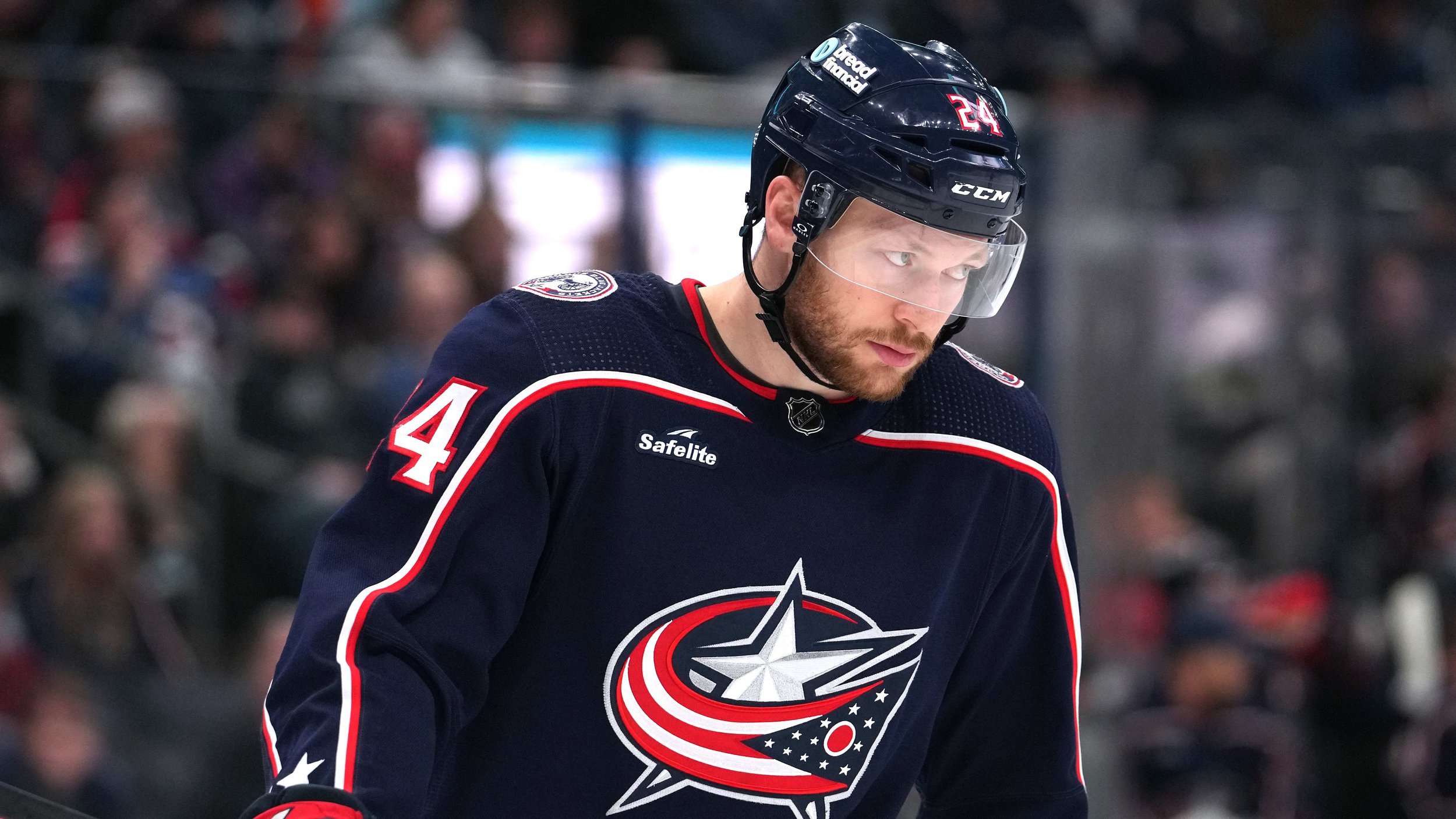
Look at Columbus’ Mathieu Olivier — not a exactly a star, not a scorer, but a player who earned a six-year NHL extension because of his work ethic, leadership, physical presence, and the way he shows up every night.
“I think I’ve developed a lot of stuff around my identity as a hockey player. Everyone knows I'm a physical guy that can stand up for my teammates … but I feel like the biggest growth I’ve had as a hockey player is developing everything else around that and trying to make myself as valuable to my team as I can and contribute in any way that I can.” - Mathieu Olivier via NHL.com
He’s a modern example of how intangibles can matter just as much as goals.
And when your kid keeps showing up anyway, with poise, presence, and purpose, they’re becoming a standout in the eyes that actually matter.
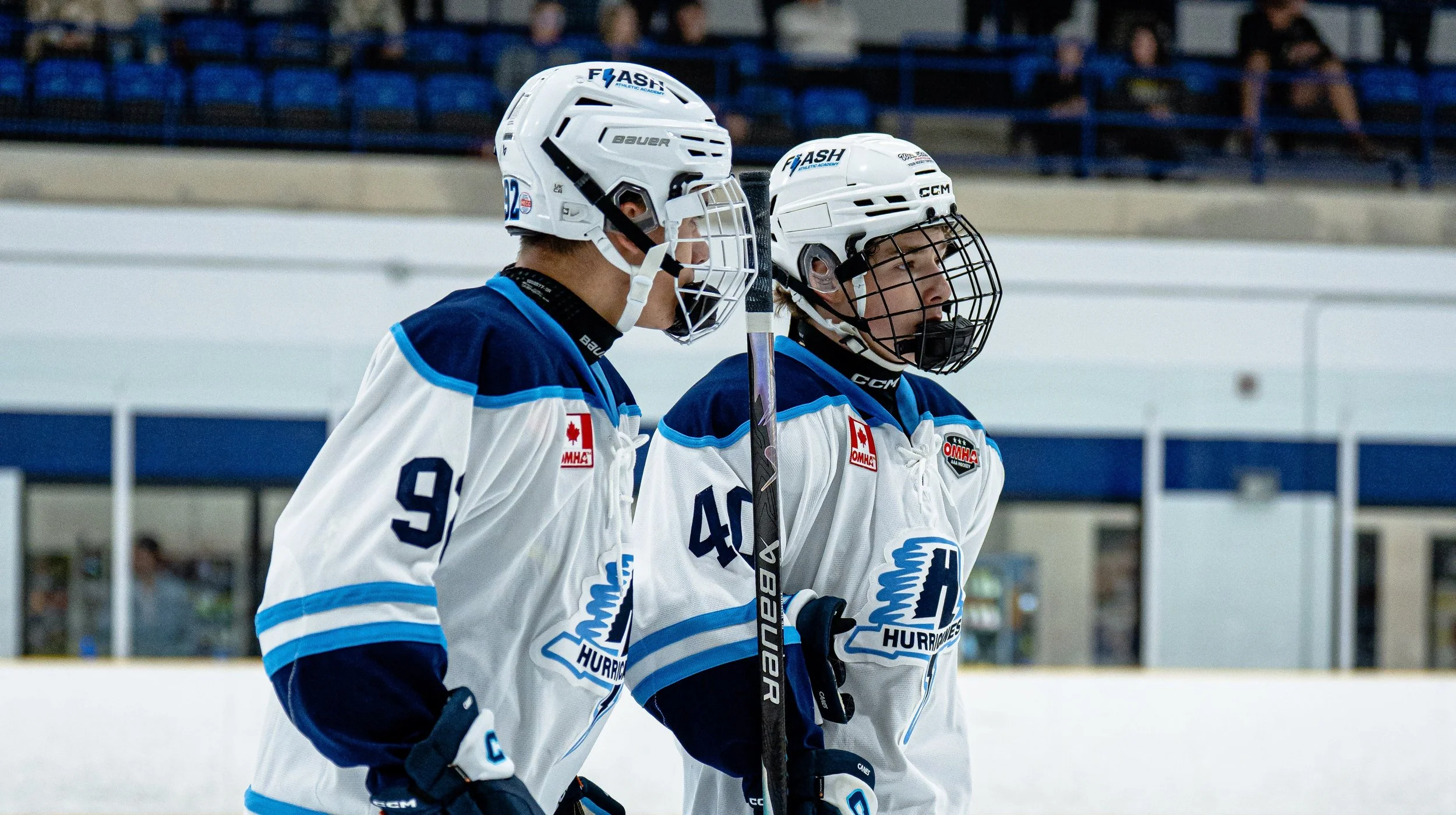
The Intangibles You Can Build At Home
As a parent, you can reinforce values that last far longer than any stat line:
Talk about effort over outcome.
“You competed hard tonight.”
Celebrate subtle wins.
“Your backcheck changed the whole shift in the second.”
Honour consistency.
“Not everyone can bring it when they’re not the center of attention. You do.”
Avoid comparison language.
Never say: “He’s getting more chances than you.”
Instead say: “Keep building. Your moment will come… and you’ll be ready.”
Concluding Thoughts
So what if your kid isn’t the star?
What if they’re something rarer; the teammate who holds the room together?
The one who puts in the work, competes without ego, and leads without
needing the mic?
Then they’re not behind.
They’re not forgotten.
They’re becoming the kind of player coaches and managers fight to have on their team, and teammates are proud to share the ice with.
Because the best stories in hockey?
They’re not always built by the stars…
They’re built by the glue and grit.
Actionable Advice
How to Support a Player Who’s Still Growing…
Ask after games: “What part of your game did you feel most proud of tonight?”
Reinforce their value: “Your work ethic makes you dangerous in ways the stats won’t show.”
Track their journey, not others’. Save clips, note habits, and build a highlight reel of character moments.
Remind them: Being the star gets noticed. Being essential gets remembered.
Talon Mills
