
The PDA Newsletter | Adam Oates Case Study
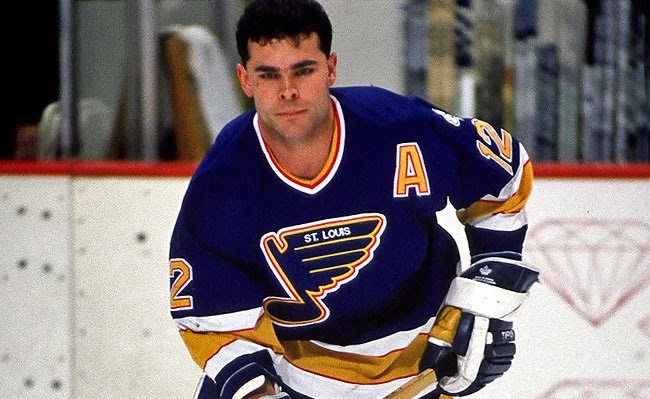
What if the most dangerous player on the ice was the one studying everyone else?
He wasn’t the fastest skater.
He didn’t overpower defenders.
And his shot wasn’t exactly his calling card.
But Adam Oates saw what others missed…
Long before he became one of the NHL’s greatest playmakers, Oates was a student of the game in its purest form — rewinding, dissecting, and decoding it frame by frame.
Every advantage he built started with how he looked at the game; quiet, deliberate, and obsessed with the smallest details.
The story begins with a single tape.
The Betamax Blueprint
Before YouTube.
Before TikTok.
Before endless highlight reels…
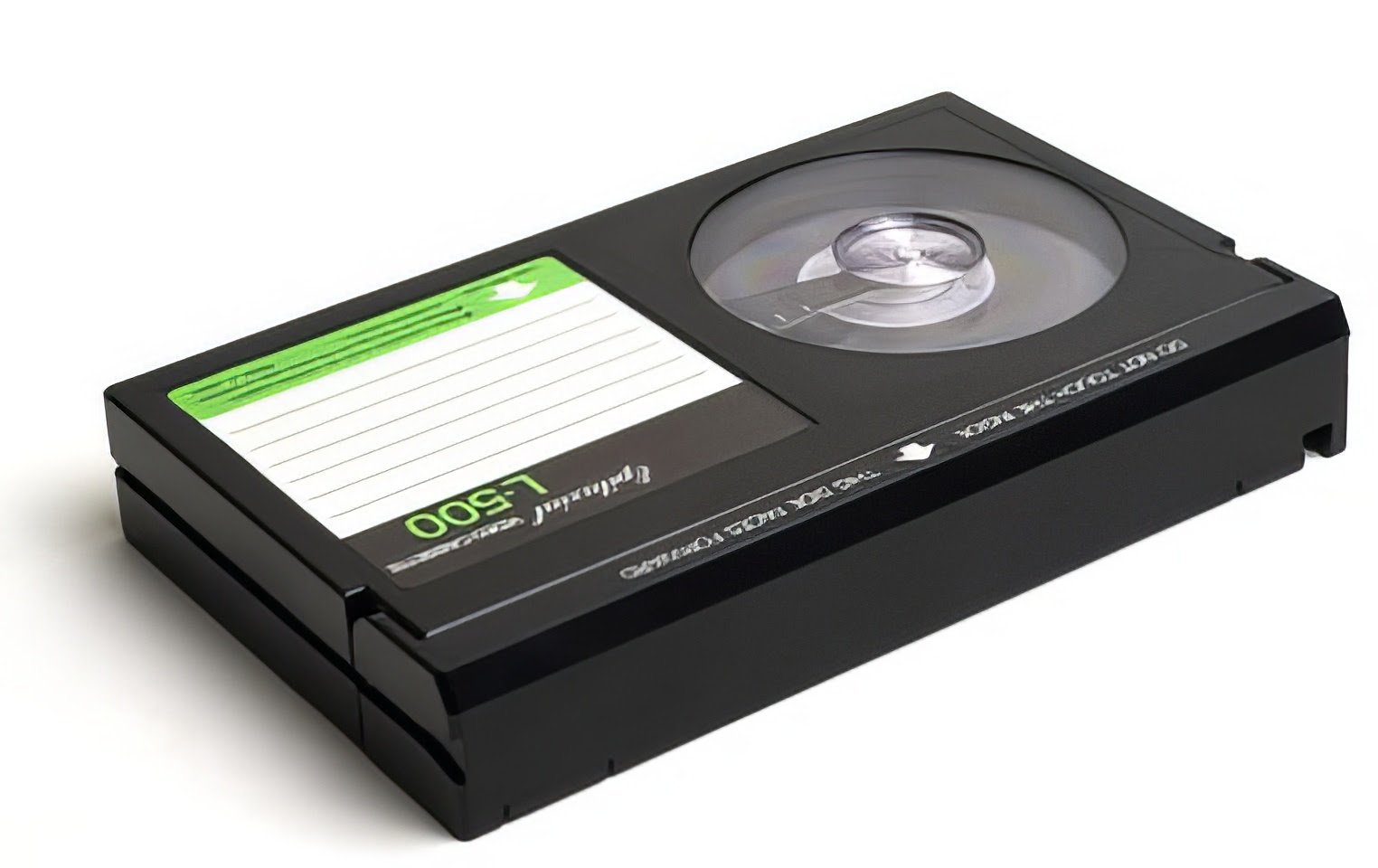
There was a four-hour Betamax tape of Wayne Gretzky.
It wasn’t a highlight reel.
It was a hand-built study tool.
Oates’ father, a mechanical engineer, had recorded it himself, splicing together footage of Gretzky’s touches, angles, and delays.
For most kids, it would have been background noise. For a young Adam Oates, it was a masterclass.
He didn’t watch it once. He studied it relentlessly; not for his highlights, but for the mechanics of his genius.
He examined how Gretzky manipulated defenders with his eyes, how he paused to draw pressure, how he moved through space rather than around it.
“I watched him stop at the half wall, wait, move people with his eyes… he was painting a picture. I wanted to understand the brushstrokes.”
Others painted in broad strokes. Oates sketched in lines of intent.
He didn’t just read the game… he rewrote it, one clip at a time.
The Smartest Stick In Hockey
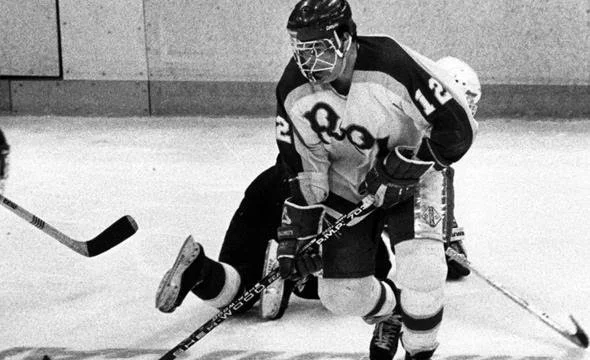
Undrafted out of junior, Oates chose the long road through RPI, an NCAA program known more for it's academics than NHL pipelines.
Every practice became film study in motion.
He tested Gretzky’s habits on college ice.
He delayed where others rushed. He created passing angles where no lanes existed. He displayed a level of poise and confidence that made him a game-breaker.
He played like a chess master, always two moves ahead.
By his graduation, Oates was a Hobey Baker finalist and the most coveted undrafted free agent in college hockey.
Detroit claimed the RPI star.
And soon, everyone saw why…
When he got to the NHL, Oates ran the power play like a conductor, setting the tempo for each shift with the puck on his stick, disguising intent, and turning routine touches into threats.
Every read felt deliberate, every movement calculated. His mind worked like a blade; sharp, patient, and always one step ahead.
Passing Into History
Detroit allowed Oates to adjust to the pace of the NHL, to learn its timing, its spacing, and the pace of pro hockey.
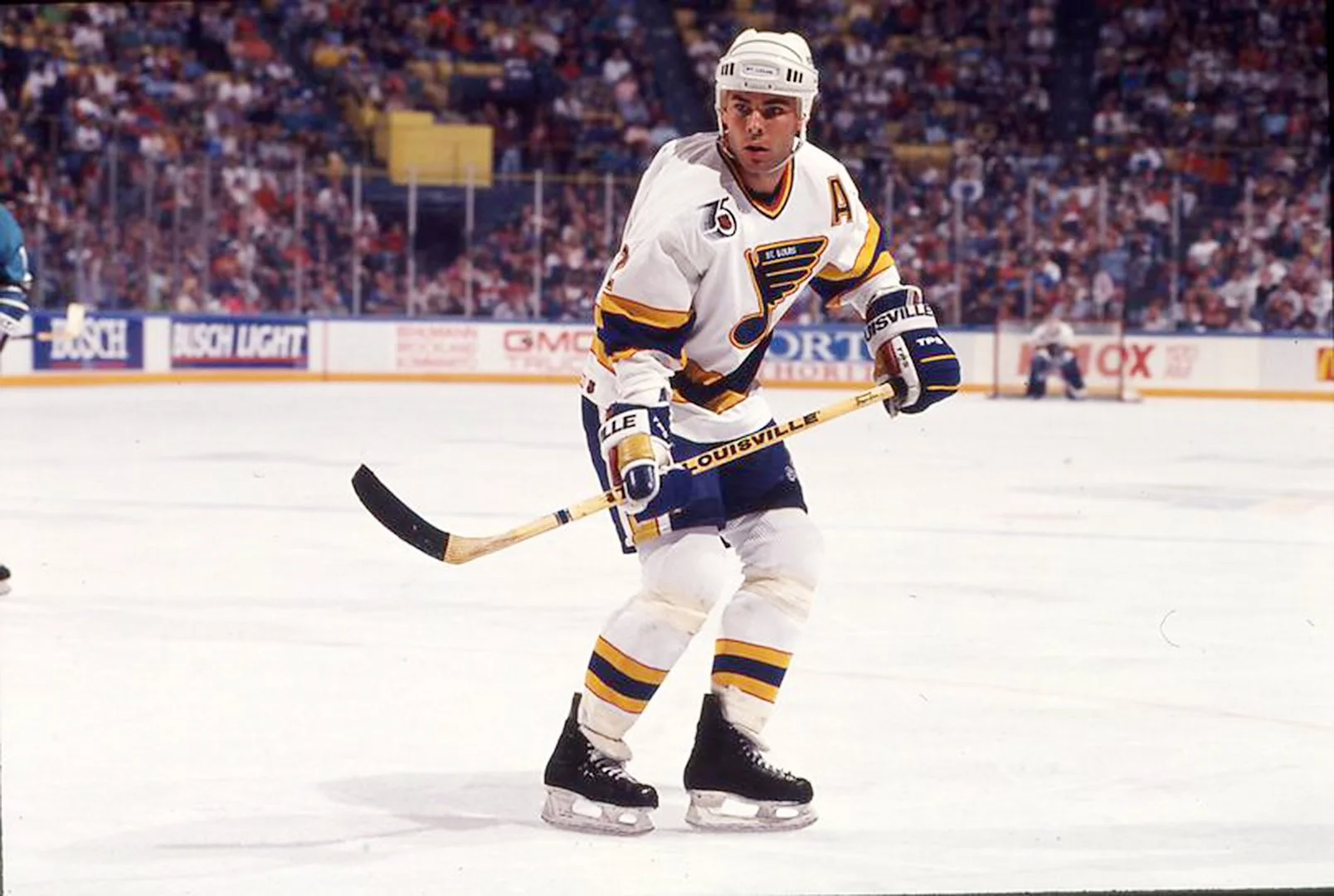
St. Louis is where everything clicked.
Paired with Brett Hull, Oates found his perfect counterpart; a finisher who thought the game as quickly as he did. Their connection became one of the most dynamic duos of the era.
Oates could sense where Hull was headed before the defender did, threading pucks through seams that didn’t seem to exist. Hull, in turn, read every subtle shoulder fake, every pause, every whisper of deception.
They didn’t just play together, they anticipated each other.
“He gave me the puck in spots that made scoring automatic,” Hull said.
“Adam made me think the game better.”
Their chemistry was a clinic in trust and chemistry.
Oates delayed just long enough. Hull arrived just in time.
Behind the net or on the half wall, those no-look feeds became routine, the kind of passes that seemed invisible until they were already on Hull’s tape.
They beat teams not with speed or skill alone, but with synchronization; two players processing the game at the same speed.
Together, they turned St. Louis into one of the most dangerous powerplays in the league.
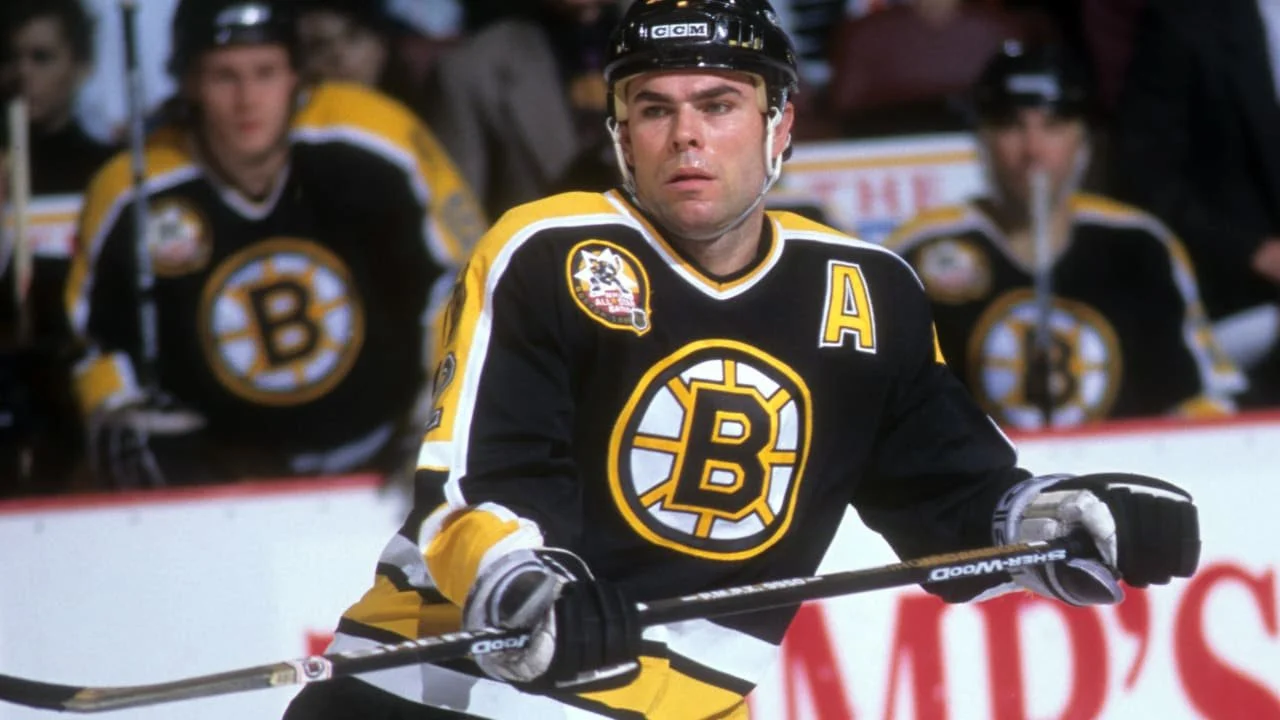
The Player He Became
Adam Oates turned vision into architecture. His career became proof that the sharpest weapon in hockey can be the mind.
1,420 career points — built through intellect and precision
5th all-time in assists (1,079) — trailing only Gretzky, Francis, Messier, and Bourque
6-time All-Star — trusted by superstars across eras
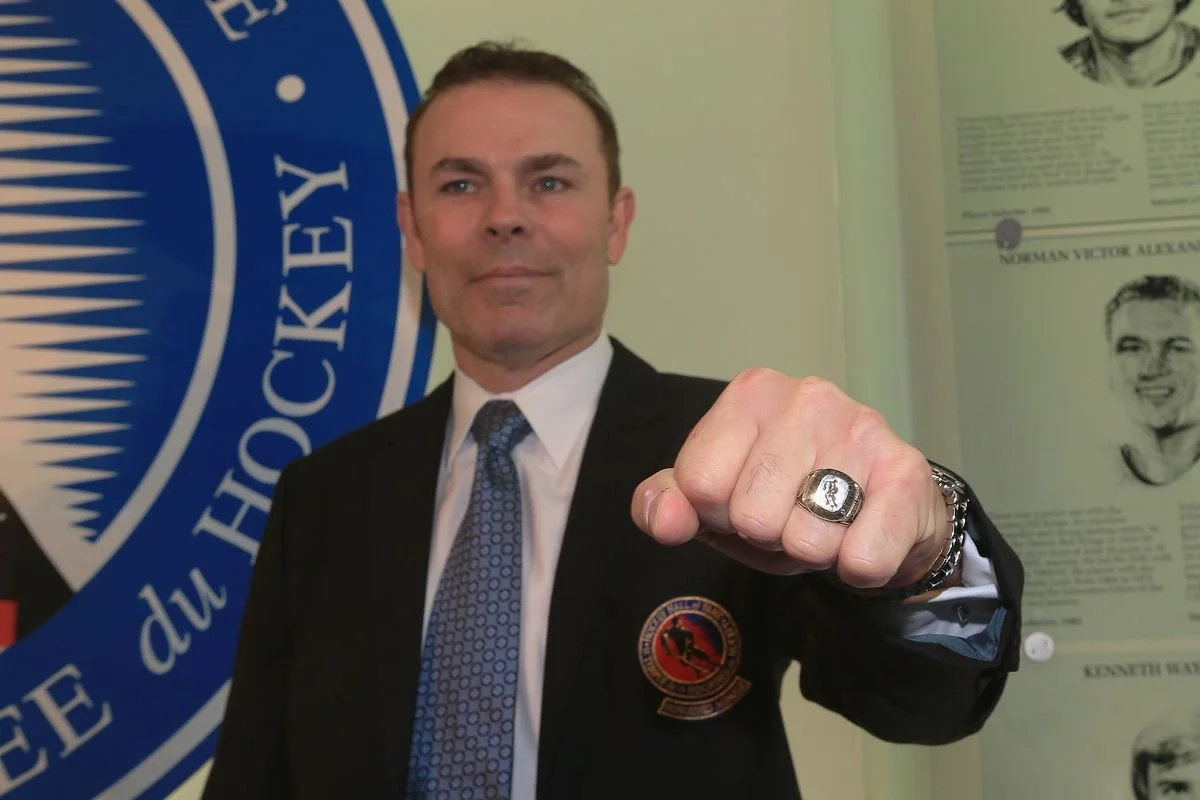
Hall of Fame inductee (2012) — redefining what a “pass-first” centre could be
Renowned skills coach today — teaching modern players how to see the game
He didn’t just rack up numbers; he reshaped how vision could drive playmaking at the highest level.
What Players Can Learn From Oates
Study with purpose.
Oates didn’t just watch hockey — he analyzed its architecture. Every rewind was a lesson in spacing, deception, and anticipation.
Mastery comes from obsession.
His edge wasn’t talent; it was curiosity. Repetition and experimentation built a playbook others couldn’t imagine.
Great passers create time.
Oates wasn’t faster — he made others faster. His manipulation of defenders gave teammates an extra second that changed everything.
There’s power in being a student.
Even at his peak, he never stopped learning. That humility is why elite players still seek him out today.
Concluding Thoughts
What if the best vision on the ice really can be trained?
For Adam Oates, it was.
He didn’t inherit genius; he reverse-engineered it, just like his father once engineered that old Betamax tape.
From a humble living room in Ontario came a mental blueprint that carried him through nineteen NHL seasons, shaped scoring champions, and inspired a generation of thinkers on the ice.
Actionable Advice
Next time you study a game, don’t just follow the puck.
Track how great players manipulate defenders, find timing, and create space.
Build your own blueprint… because the best minds on the ice don’t just react.
They plan.
Talon Mills
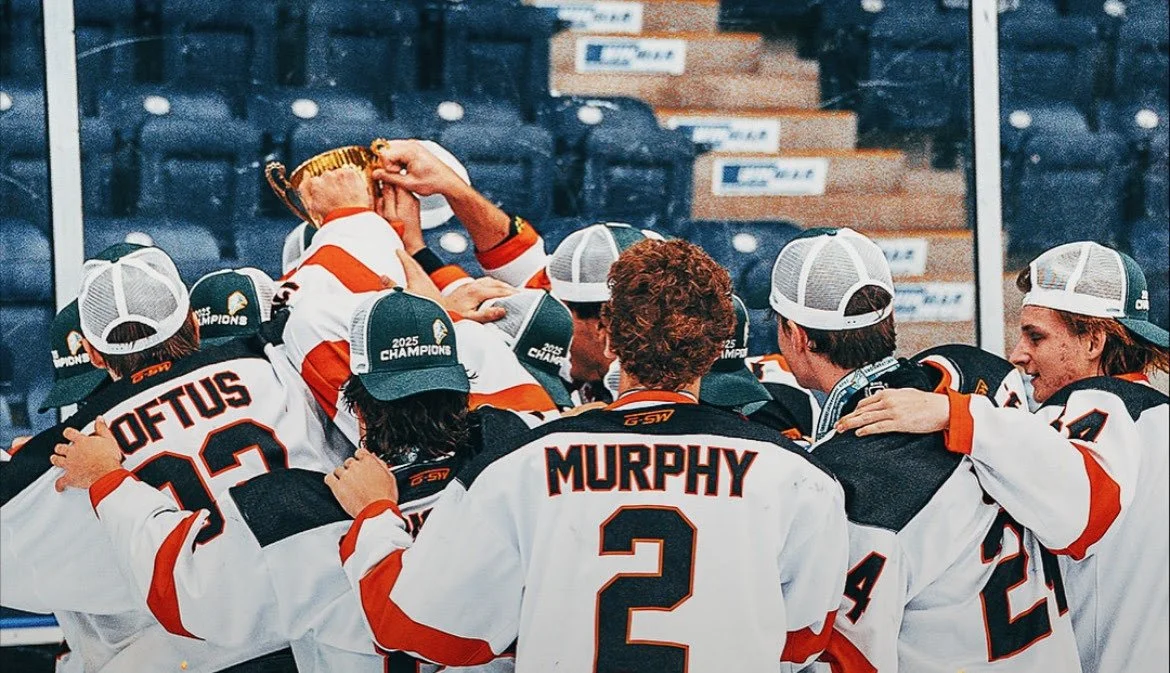
Up next in the PDA Newsletter
Coming this Thursday: Wendy Dufton Tournament Recap
This Thursday, we’re breaking down the Wendy Dufton Memorial Tournament — one of the most competitive early-season tests on the U16 calendar. From breakout performances to rising programs, our recap looks at who made a statement and how the landscape is already starting to shift.
