
The PDA Newsletter | 2025 Silver Stick Recap
What did Whitby really tell us, and how much will it change the next U16 Power Rankings?
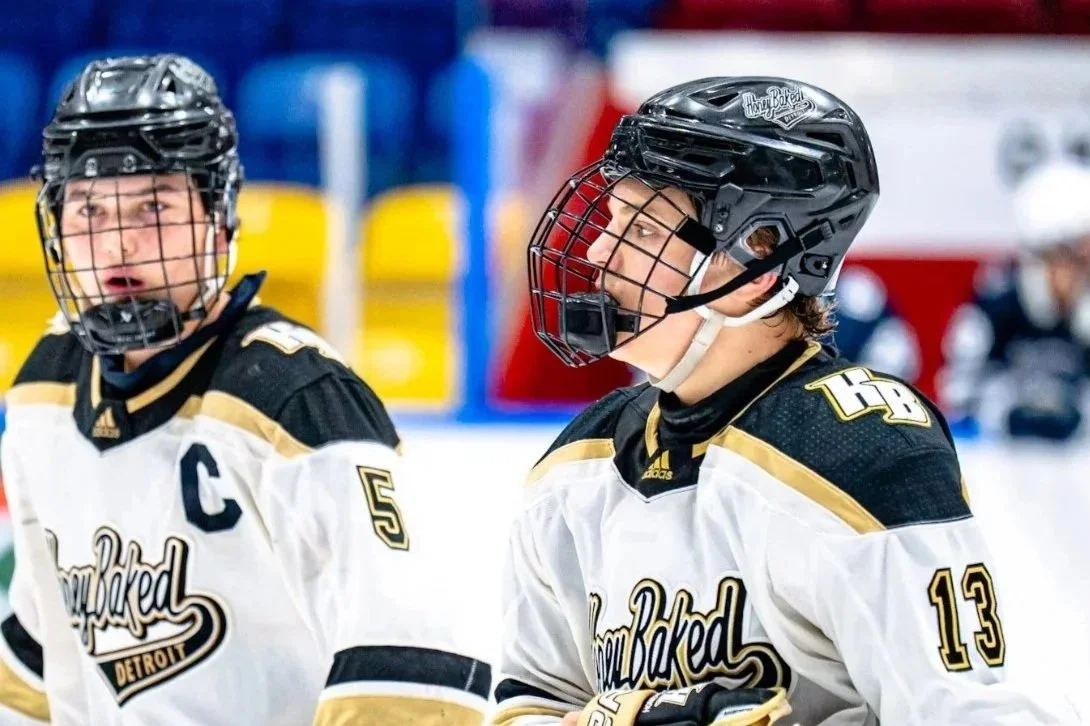
The Silver Stick isn’t just another stop on the calendar… it’s the one of the biggest pressure tests of the season, where top programs collide, depth is exposed, and the pecking order of the OHL draft class starts to take shape.
Whitby brought together elite Canadian and American competition, six pools loaded with storylines, and a knockout bracket that felt like a preview of what March will bring at the OHL Cup.
From dominant runs to breakout performances to overtime chaos, this year’s tournament offered clarity on which teams are ready to contend and which still have steps to take.
Here’s how the weekend unfolded…
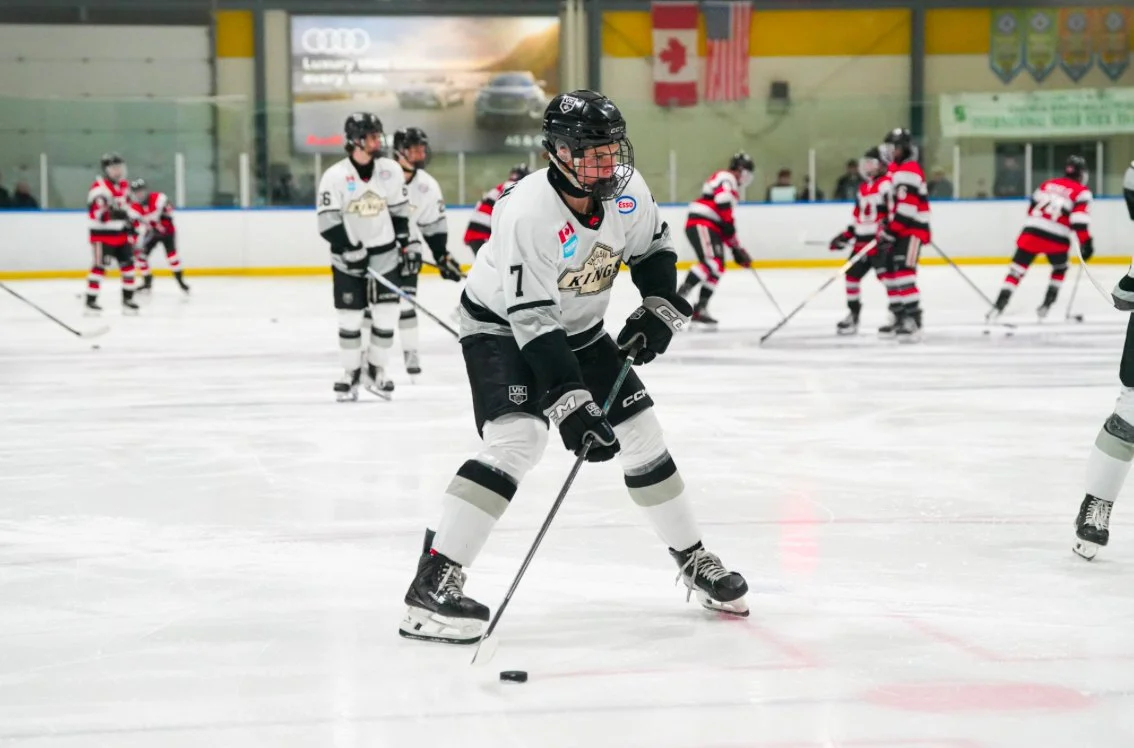
Pool A Snapshot
Advancing Team:
Vaughan Kings — Finished 4-0-0, Vaughan won the pool convincingly and defended their status as the top-ranked team in Ontario during group play. They controlled tempo in every game, but often kept opponents closer than expected, allowing games to stay within reach longer than projected. While the results were never truly in doubt, Vaughan won with control and composure rather than blowouts, a subtle but telling reflection of how the group played out.
Final Records:
Vaughan Kings (4-0-0) | Ottawa 67’s (2-1-1) | Chicago Mission (2-1-1) | Sarnia-Lambton Jr. Sting (1-3-0) | Whitby Wildcats (0-4-0)
The battle for second remained open until the final round, with Ottawa and Chicago trading momentum and staying within reach until the end. Ultimately it was their game 4, 1-1 tie that simultaneously knocked both teams out of wildcard contention.
Pool Point Leader:
Connor Ogara (Chicago Mission) — Recorded 9 points in 4 games, leading all skaters in the pool. Ogara was the primary offensive driver for Chicago, consistently generating scoring chances and keeping the Mission competitive in every matchup.
Top Goalie:
Athan Stone (Ottawa 67’s) — Emerged as the top goaltender in the pool, delivering key saves and keeping Ottawa competitive, including a strong performance against Vaughan in a 2-1 defeat.
Defining Takeaway:
Vaughan set the standard from start to finish, separating themselves with depth and pace, while Ottawa and Chicago pushed from behind and proved capable of challenging top competition if they play their A-game. Pool A ultimately played out according to expectation — with Vaughan in control and the secondary race decided by fine margins.
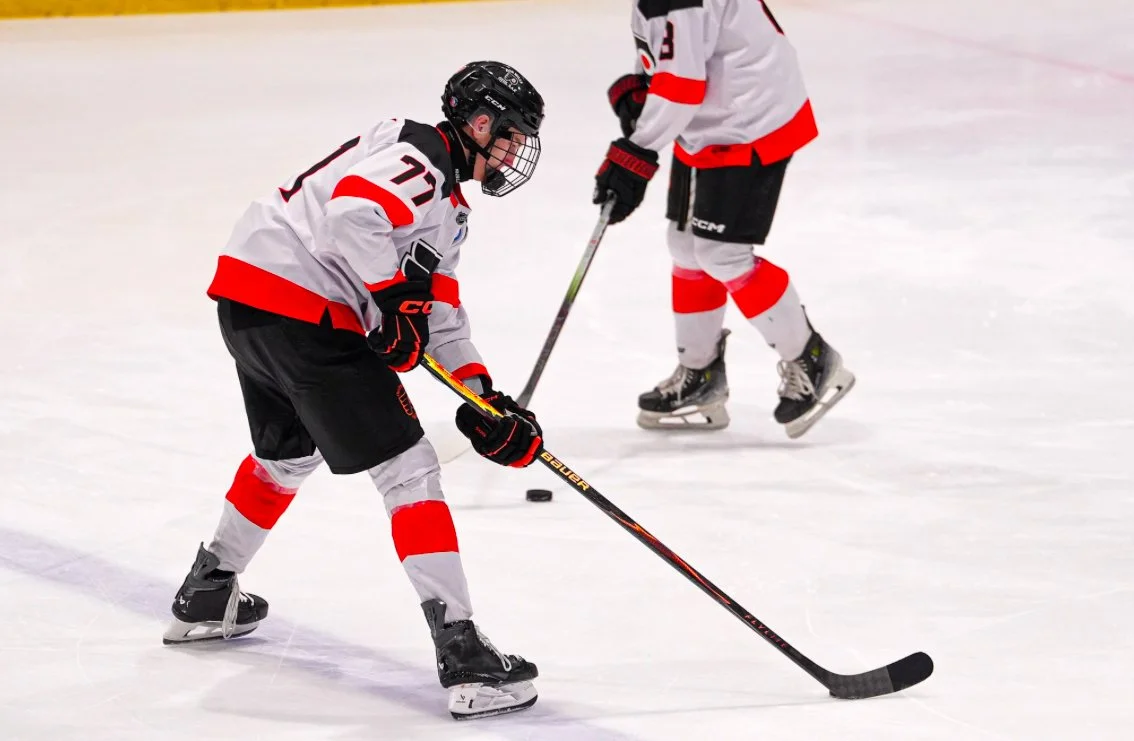
Pool B Snapshot
Advancing Team:
Don Mills Flyers — Finished 2-0-2 in one of the tournament’s most balanced groups. Don Mills consistently found ways to collect points in tight games, leaning on composure and structure to stay ahead of the field.
Final Records:
Don Mills (2-0-2) | Credit River Capitals (2-1-1) | Pittsburgh Penguins (2-1-1) | Mississauga Reps (1-1-2) | Peterborough Petes (0-4-0)
Don Mills’ 5–0 Game 4 win over Credit River proved to be the separating result in Pool B. In a group where three teams finished within a point of each other, that decisive final-round performance gave the Flyers the edge they needed to finish on top, while Credit River and Pittsburgh were left on the outside looking in.
Pool Point Leader:
Brady Nash (Don Mills) — Led the pool with 7 points in 4 games, serving as the Flyers’ primary offensive engine.
Top Goalie:
Owen Loftus (Don Mills) — Provided steady goaltending across all of his starts, giving Don Mills the foundation needed to manage low-scoring, high-pressure games.
Defining Takeaway:
Pool B offered very little separation and punished mistakes quickly. Don Mills finished on top by banking points in every game, while Credit River and Pittsburgh stayed within reach until the final round. The Reps shaped the pool with their competitive play-style and effort, making this one of the tightest and most demanding groups of the tournament.
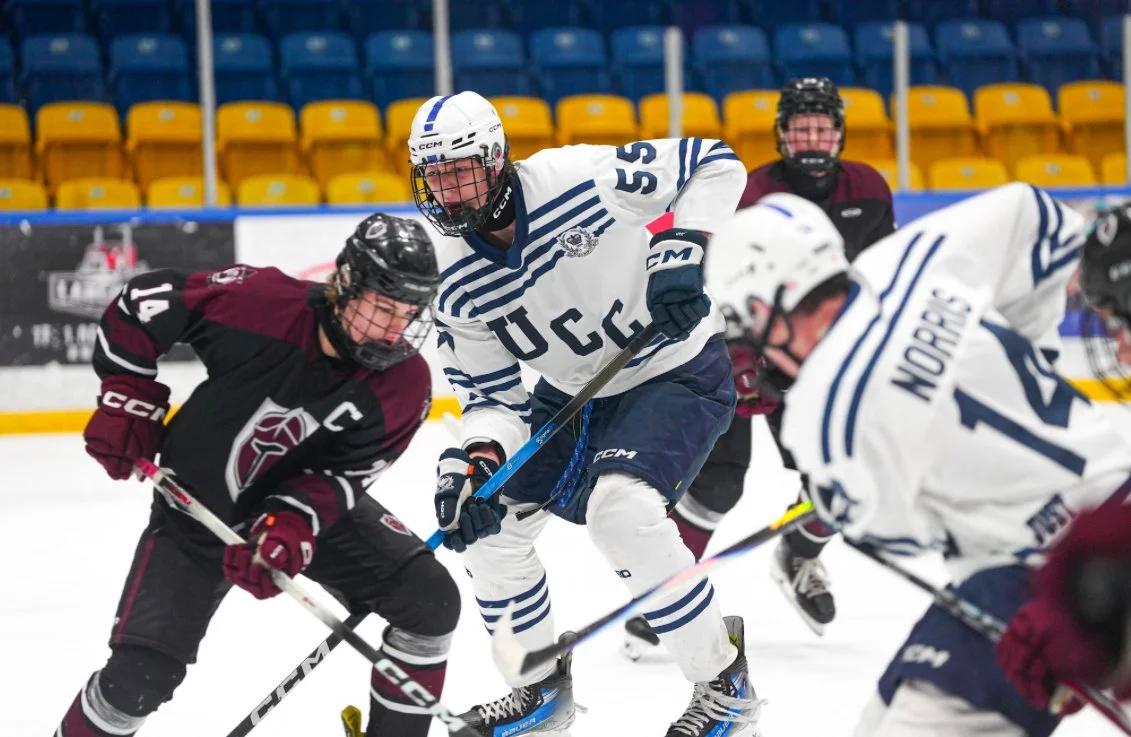
Pool C Snapshot
Advancing Teams:
Upper Canada College and Buffalo Jr. Sabres — Both finished 3-1-1, earning quarterfinal spots in a pool defined by structure and tightly-contested margins.
Final Records:
Upper Canada College (3-1-1) | Buffalo Jr. Sabres (3-1-1) | Toronto Jr. Canadiens (2-1-1) | Ottawa Valley (0-2-2) | Sudbury Wolves (0-3-1)
With UCC and Buffalo both jumping out to 3–1–0 starts, the margin for error quickly disappeared. Toronto Jr. Canadiens were forced into chase mode early, and while they responded by winning their final two games, the damage was already done. In a pool that punished dropped points, the late surge wasn’t enough to close the gap.
Pool Point Leader:
Leo Parini (Buffalo Jr. Sabres) — Led the pool with 7 goals, providing the finishing touch that separated Buffalo in a marginally close group.
Top Goalie:
Joseph Grixti (UCC) — Was composed and reliable in the crease, giving UCC the stability needed to manage tight games across round-robin play. Earned two shutouts.
Defining Takeaway:
Pool C left no room for error. UCC and Buffalo advanced by consistently handling tight moments and limiting scoring against. Toronto Jr. Canadiens remained competitive throughout, but their opening tournament loss against Buffalo and their game 2 tie against Ottawa Valley proved decisive, ultimately costing them a quarterfinal berth in one of the tournament’s most unforgiving groups.
Pool D Snapshot
Advancing Team:
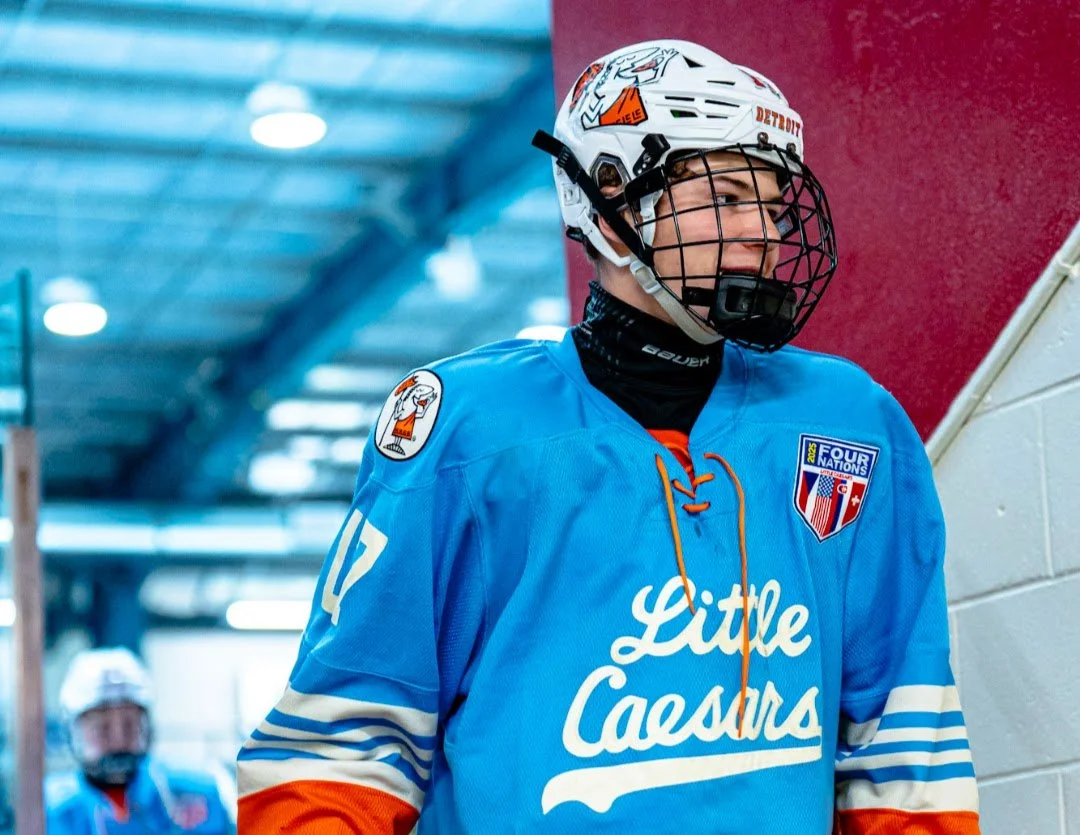
Detroit Little Caesars — Finished a perfect 4-0-0, decisively separating themselves from the field and reinforcing their status as the tournament’s top-ranked team. Detroit dominated every layer of the game, outscoring opponents 29–3 and never allowing momentum to swing against them.
Final Records:
Detroit Little Caesars (4-0-0) | Toronto Marlboros (3-1-0) | Huron Perth Lakers (2-2-0) | Rochester Bishop Kearney Selects (1-3-0) | Southern Tier Admirals (0-4-0)
The Toronto Marlboros put together a strong 3–1–0 round robin to finish second in Pool D, but their 7–1 loss to Detroit Little Caesars proved decisive. In a group where it came down to goal differential, that single result ultimately knocked them out of contention despite their overall record.
Pool Point Leader:
Ryker Kesler (Detroit Little Caesars) — Led the pool with 10 points, pacing an offense that overwhelmed opponents in waves. Detroit’s depth also showed through balance, with multiple contributors driving play across all four round-robin games.
Top Goalie:
Rylan Da Costa (Huron-Perth Lakers) — Stood out in the crease, turning aside 39 shots in a 5–2 loss to Detroit and keeping the Lakers competitive deeper into the game than the score might suggest.
Defining Takeaway:
Pool D was top-heavy from the outset, and Detroit confirmed why they entered as the tournament favourite. The Toronto Marlboros handled business behind them to finish 3-1-0, but that still wasn’t enough to earn a wildcard, while Huron Perth showed well in stretches and earned respect by keeping games competitive — including a tighter-than-expected result against the Little Caesars. Ultimately, this group underscored the gap between an elite frontrunner and a crowded chase pack fighting for positioning.
Pool E Snapshot
Advancing Team:
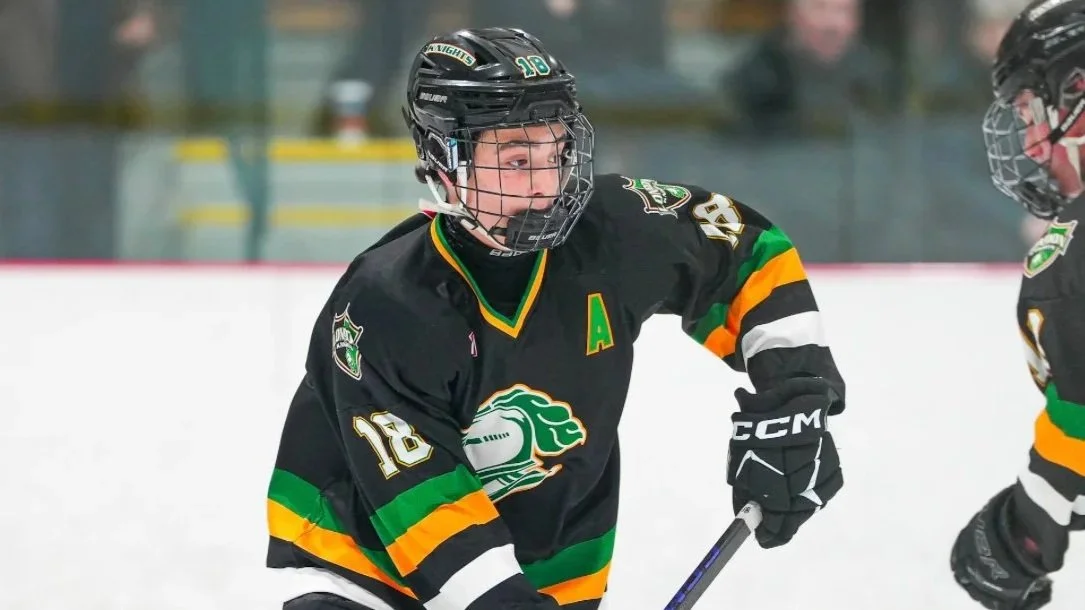
London Jr. Knights — Finished 3-1-0, separating themselves in one of the deepest and most balanced groups of the tournament. London showed consistency across all four games and handled pressure moments in a pool where margins were consistently thin.
Final Records:
London (3-1-0) | Hill Academy (2-2-0) | Markham Majors (2-2-0) | Chicago Reapers (2-2-0) | Central Ontario (1-3-0)
London’s Game 3 win over the Hill Academy proved to be the defining result in Pool E, creating the separation needed in a group where multiple teams traded results all weekend. They followed it up with a Game 4 victory over Central Ontario, which officially locked in their spot as the pool winner and lone advancing team. In a division decided by fine margins, London delivered in the moments that mattered most.
Pool Point Leader:
Drew Bate (London) — Led Pool E and the entire round robin with 11 points in 4 games, including a four-goal performance against the Hill Academy. His production provided the offensive separation London needed in a tightly contested group. The Hill’s Finley Merrill scored 7 goals to lead his team over the course of the weekend and deserves an honourable mention for his impressive performance.
Top Goalie:
Valentino Gonzalez (London) — Earned tough starts and made the most of them, delivering composed goaltending in high-pressure games and helping London navigate one of the tournament’s most balanced pools.
Defining Takeaway:
Pool E played out exactly as anticipated entering the weekend. With London, Hill Academy, and Markham all ranked inside PDA’s November Top 10, the margin for error was minimal from the opening puck drop. London managed those margins best. Hill, Markham, and Chicago each had stretches where they looked capable of pushing for the top spot but fell one result short, while Central Ontario competed hard in a division loaded with top-end programs.
Pool F Snapshot
Advancing Teams:
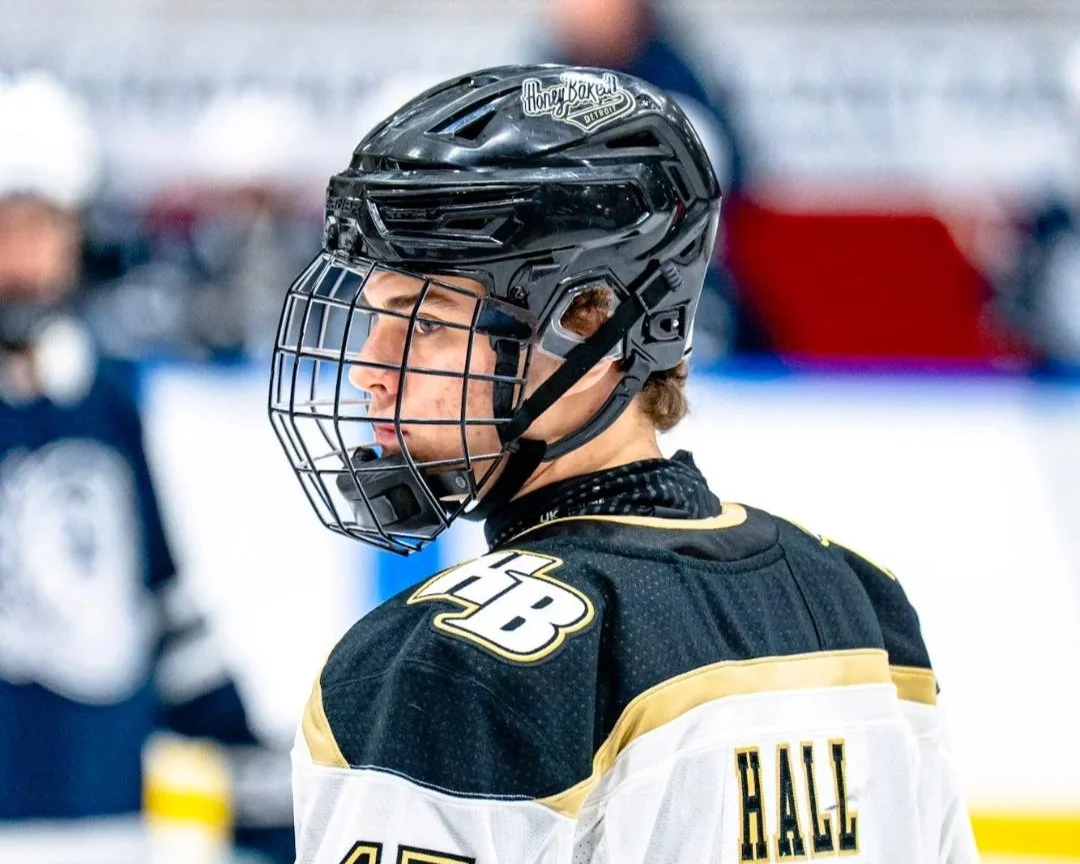
Honeybaked and Mississauga — Honeybaked finished a perfect 4-0-0, asserting control immediately and never allowing the group to tighten. They scored 23 goals, allowed just 3, and posted two shutouts, setting one of the strongest defensive and goal-differential marks of the tournament. Mississauga finished with a strong 3-1-0 record with two shutouts to clinch the 2nd wildcard spot.
Final Records:
Honeybaked (4-0-0) | Mississauga Senators (3-1-0) | St. Louis Blues (2-2-0) | Philadelphia Jr. Flyers (1-3-0) | Barrie Colts (0-4-0)
Pool Point Leaders:
Austin Hall (Honeybaked) — Finished with 8 points, driving offense in transition and creating constant separation.
Easton Dozark (Honeybaked) — Also recorded 8 points, matching Hall’s production and giving Honeybaked offensive production from the back-end.
Top Goalies:
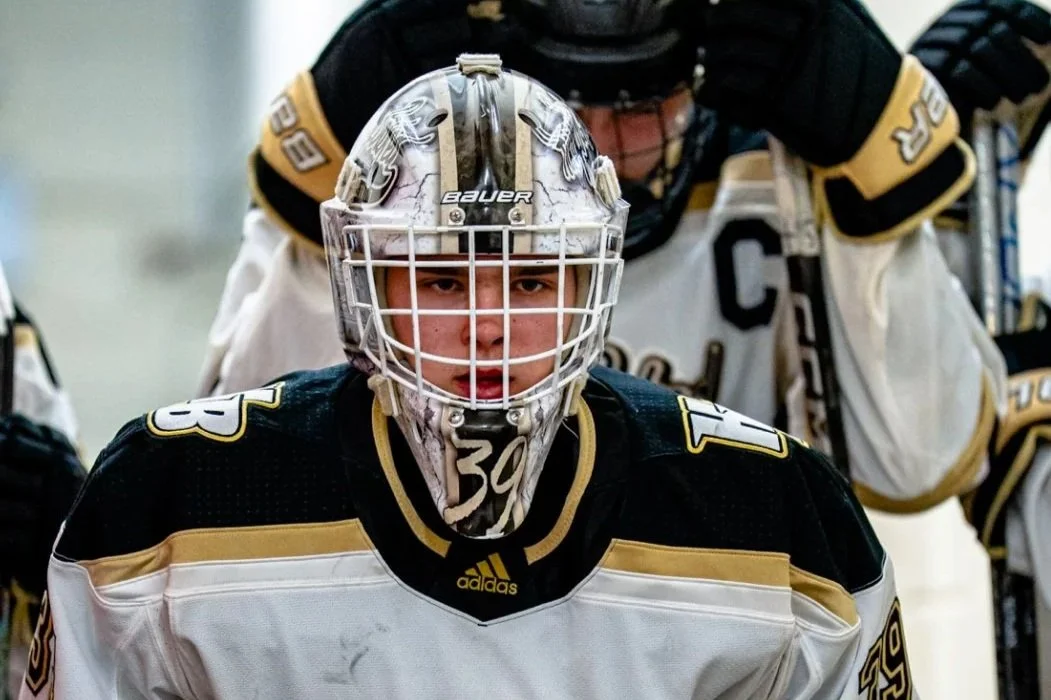
Carter Nash (Honeybaked) — Delivered composed, reliable goaltending across all four games, anchoring a group that rarely gave opponents sustained looks. Mississauga’s Thijs Van Haeren deserves his flowers for stepping up big for the Sens as he started in every game and posted two shutouts.
Defining Takeaway:
Pool F confirmed what the preview hinted at — while the group had depth, Honeybaked and the Mississauga Senators separated themselves clearly. Honeybaked’s pace and efficiency overwhelmed opponents, while Mississauga stayed within striking distance of winning the pool until the final day and ultimately earned a wildcard spot. The rest of the pool competed hard, but consistency at key moments proved to be the dividing line.
Elimination Bracket - Quarter-Finals
Honeybaked (2nd) vs. Buffalo Jr. Sabres (7th) (6-1)
Honeybaked carried their dominant round-robin form straight into the elimination bracket, rolling to a 6–1 win over Buffalo. Their depth took over early, with Blake Stephens, Austin Hall, and Dylan Delgado driving the offense and pushing the pace in a game Honeybaked controlled from start to finish.
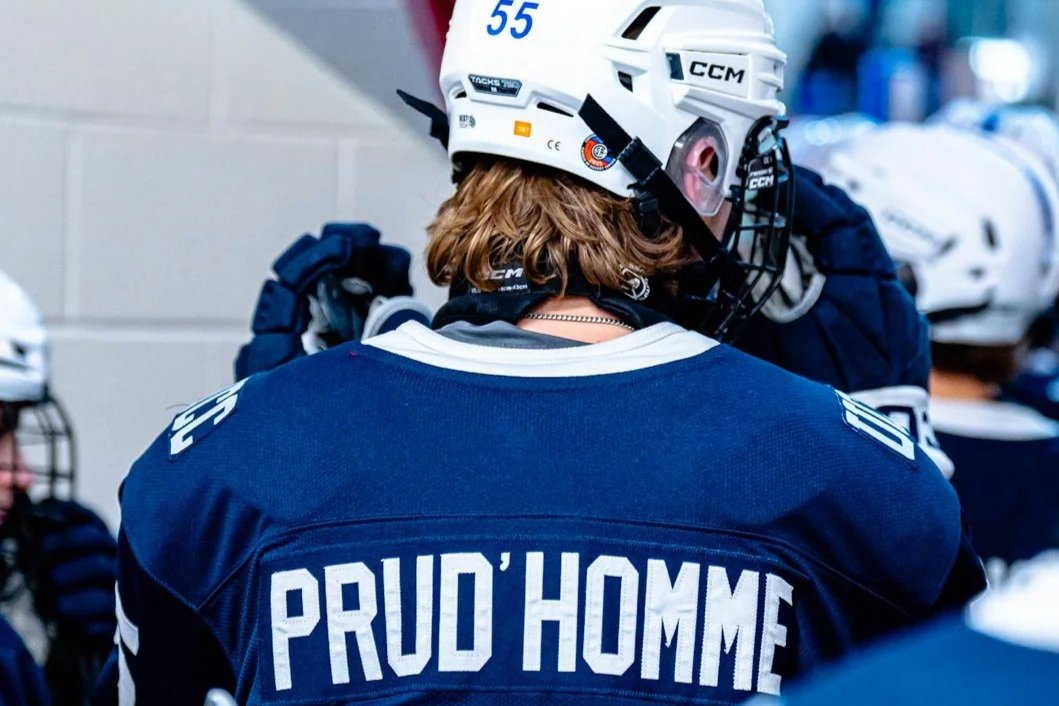
Upper Canada College (6th) vs. Vaughan Kings (3rd) (4-3 OT)
This was the quarterfinal everyone quickly caught wind of within Iroquois Park — and it lived up to every expectation…
UCC’s Greyson Ward opened the scoring in the second period, but Vaughan responded with three unanswered goals to take control heading into the final frame. UCC refused to go away, and with under a minute left, defenseman Jay Nimchonok buried a rebound to force overtime.
What followed was one of the wildest OT sequences of the tournament…
5-on-5 solved nothing…
4-on-4 solved nothing…
3-on-3 also solved nothing…
Play eventually dropped to continuous 2-on-2, where Logan Prud’Homme ripped home his second of the game to give UCC a dramatic 4–3 win and a spot in the semifinals.
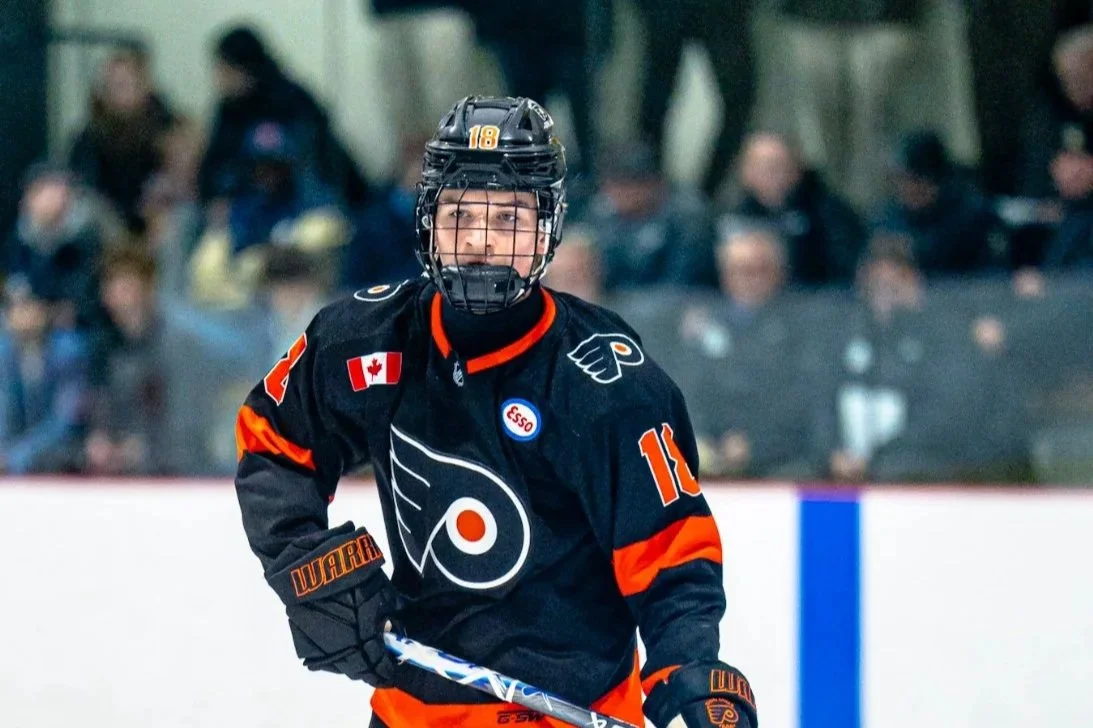
Don Mills Flyers (5th) vs. London Jr. Knights (4th) (3-0)
On Rink 4, Don Mills delivered one of the most structured performances of the quarterfinal round, blanking London 3–0 behind strong goaltending from Owen Loftus and airtight defensive play. Gavin Murphy was the difference offensively, scoring all three goals and taking over the game in key moments. Don Mills advanced with a complete, disciplined effort, very on brand from what we’ve come to expect from this competitive Flyers club.
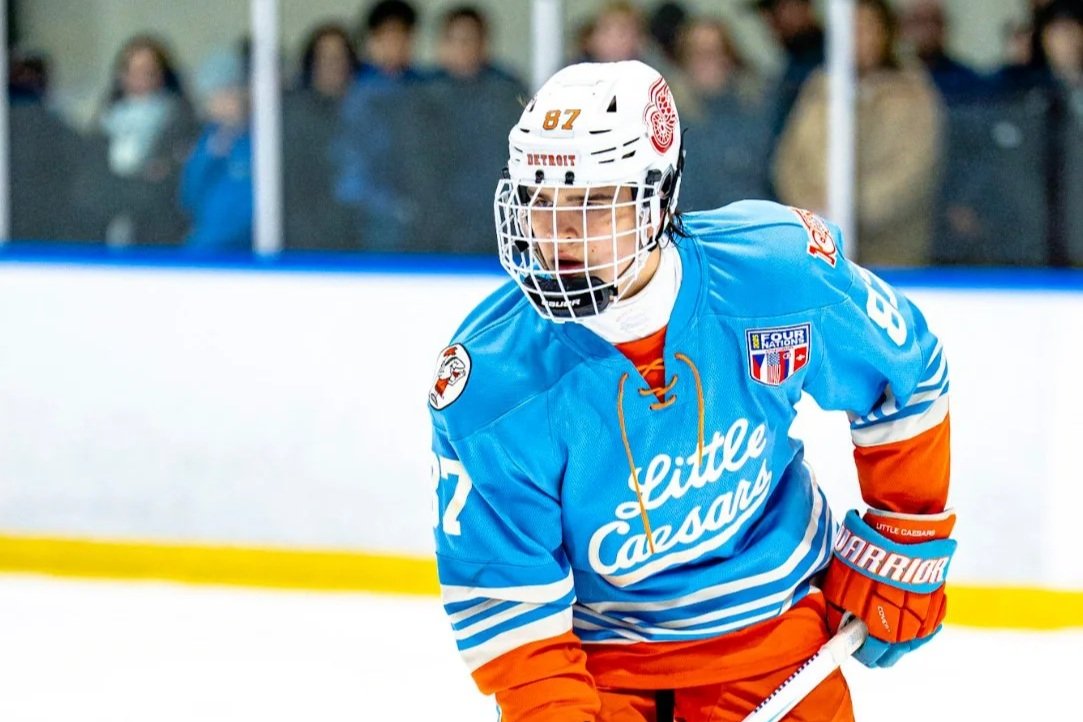
Detroit Little Caesars (1st) vs. Mississauga Senators (8th) (7-3)
The final quarterfinal featured two heavyweights in a marquee cross-border matchup. The Mississauga Senators jumped out to a 2–1 lead after the first, but Detroit responded with the type of push expected from the tournament’s top seed. Little Caesars scored five straight goals from the 2nd to 3rd period and pulled away for a 7–3 win.
Ben Slavick recorded a hat trick to lead the way.
Semi-Finals
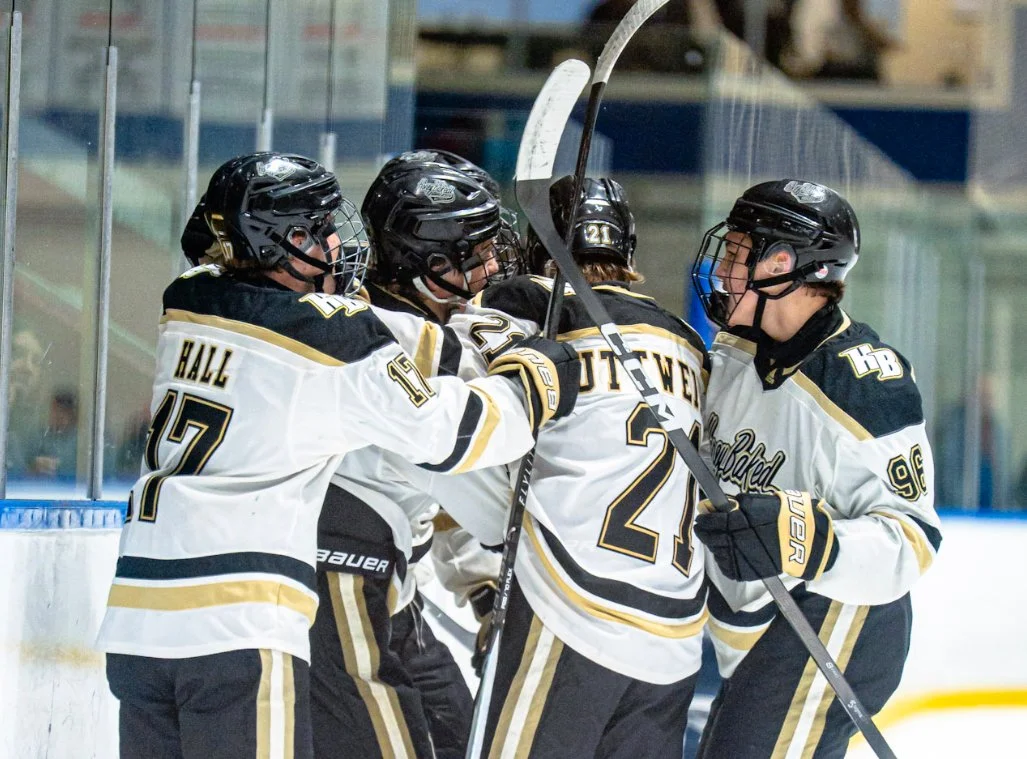
Honeybaked vs. Don Mills Flyers (3-2 OT)
The first semifinal delivered another tournament classic — and another 2-on-2 overtime finish. Honeybaked struck twice in the second period, with Dylan Delgado and Max Lappan giving them a 2–0 cushion in what looked like a decisive stretch. Don Mills pushed back with the resilience they’ve shown all season, answering with third-period goals from defensemen Ayden Huisman and Declan McNally to force overtime.
The extra frame became pure chaos — broken sticks, wide-open rushes, and every mistake magnified. Once again, play dropped to continuous 2-on-2, where Henry Buttweiler scored one of the tournament’s most viral goals to send Honeybaked to the championship with a 3–2 victory.
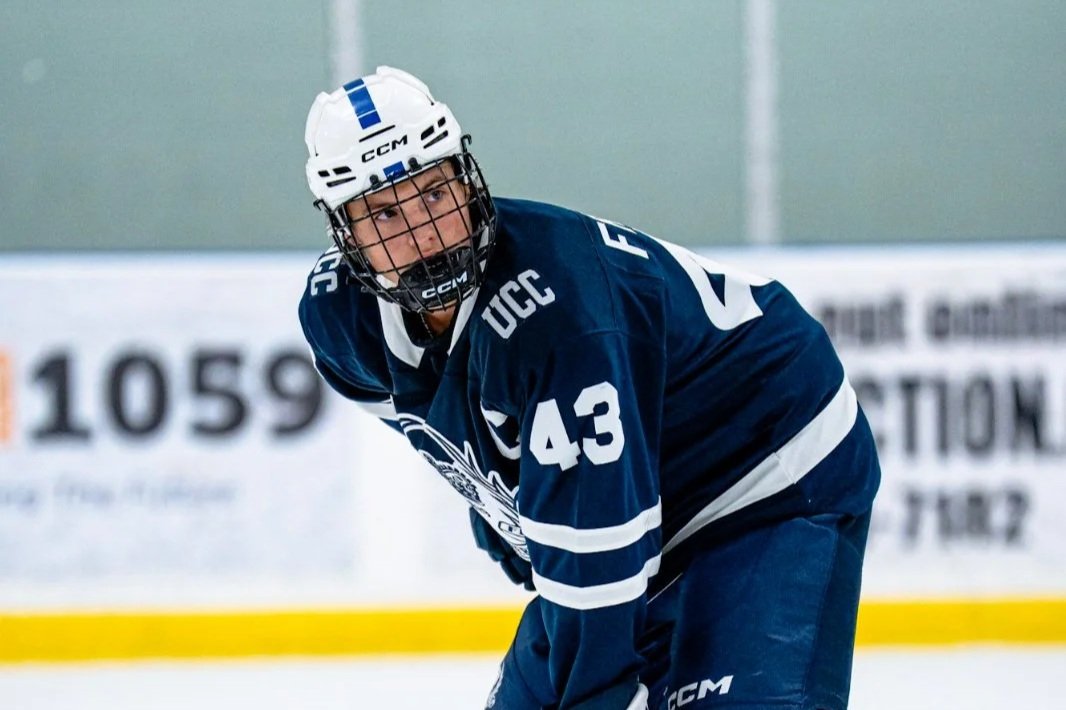
Upper Canada College vs. Detroit Little Caesars (3-1)
UCC delivered one of the most impressive performances of the weekend, knocking off the top-seeded Detroit Little Caesars with a poised, structured 3–1 win. Goals from Max Fransen, Cole Guizzetti, and Christian Del Buono carried the offense, while disciplined team play and steady goaltending shut down a powerhouse attack.
The victory sent UCC to the championship game — their second finals appearance at a major tournament this year, reinforcing just how consistent and well-built this group has become on big stages.
Championship
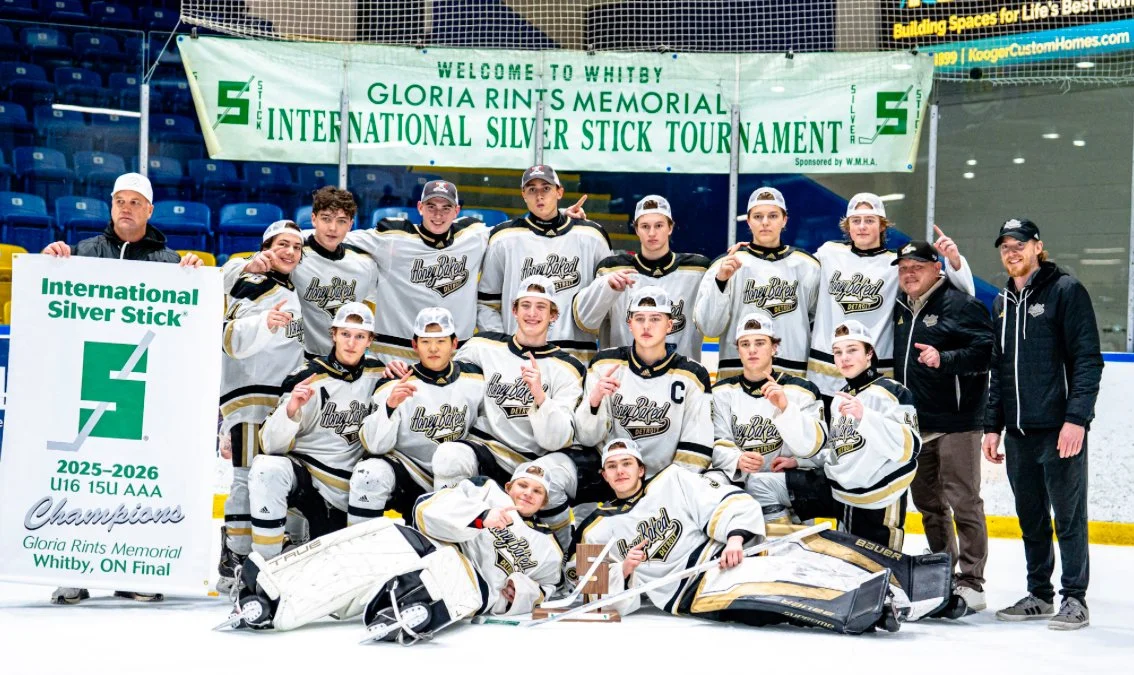
Honeybaked vs. Upper Canada College (6-1)
The championship game opened with the intensity expected from two teams playing their best hockey of the season. For the first period and into the early stages of the second, UCC and Honeybaked traded momentum, defended well, and kept the pace tight. Both sides managed early pushes, and UCC held their own after a long, emotional semifinal win. UCC’s George Majic opened the scoring.
Eventually, the tournament’s top team found its stride…
Once Honeybaked broke through, they took complete control of the game, pulling away and securing the Silver Stick title with a decisive 6–1 final. Their depth, talent, and finishing touch surfaced in waves, and they closed out championship Sunday with the type of performance that leaves no debate about where they stand in the 2010 age group.
Austin Hall led the way with two goals, capping off a standout weekend that saw him finish as the tournament’s leading scorer with 17 points — a level of production that solidified his role in Honeybaked’s dominant run.
Honeybaked walked out of Whitby as 2025 Silver Stick Champions, stamping themselves as a clear OHL Cup contender and the team to beat heading into the second half of the season.
Concluding Thoughts
The Silver Stick didn’t just crown a champion… it offered the clearest look yet at the trajectory of the 2010 class and how the race toward the OHL Cup in March is beginning to take shape.
Honeybaked’s commanding run, UCC’s continued emergence on big stages, and the depth shown across all six pools revealed which programs are separating, which are climbing, and which still have work to do before the season’s biggest event.
The picture is sharper now, and the path to March feels more defined than it did a week ago…
Our next U16 update shifts back to league play with a full U16 Bi-Weekly Regional Rundown, breaking down how the momentum from Whitby carries into the second half of the season.
On Monday, we continue our Elite Habits series with a deep dive into Recovery Habits — what high-level players do between games to bounce back faster, stay consistent, and extend performance over a long season. Stay tuned.
Talon Mills
